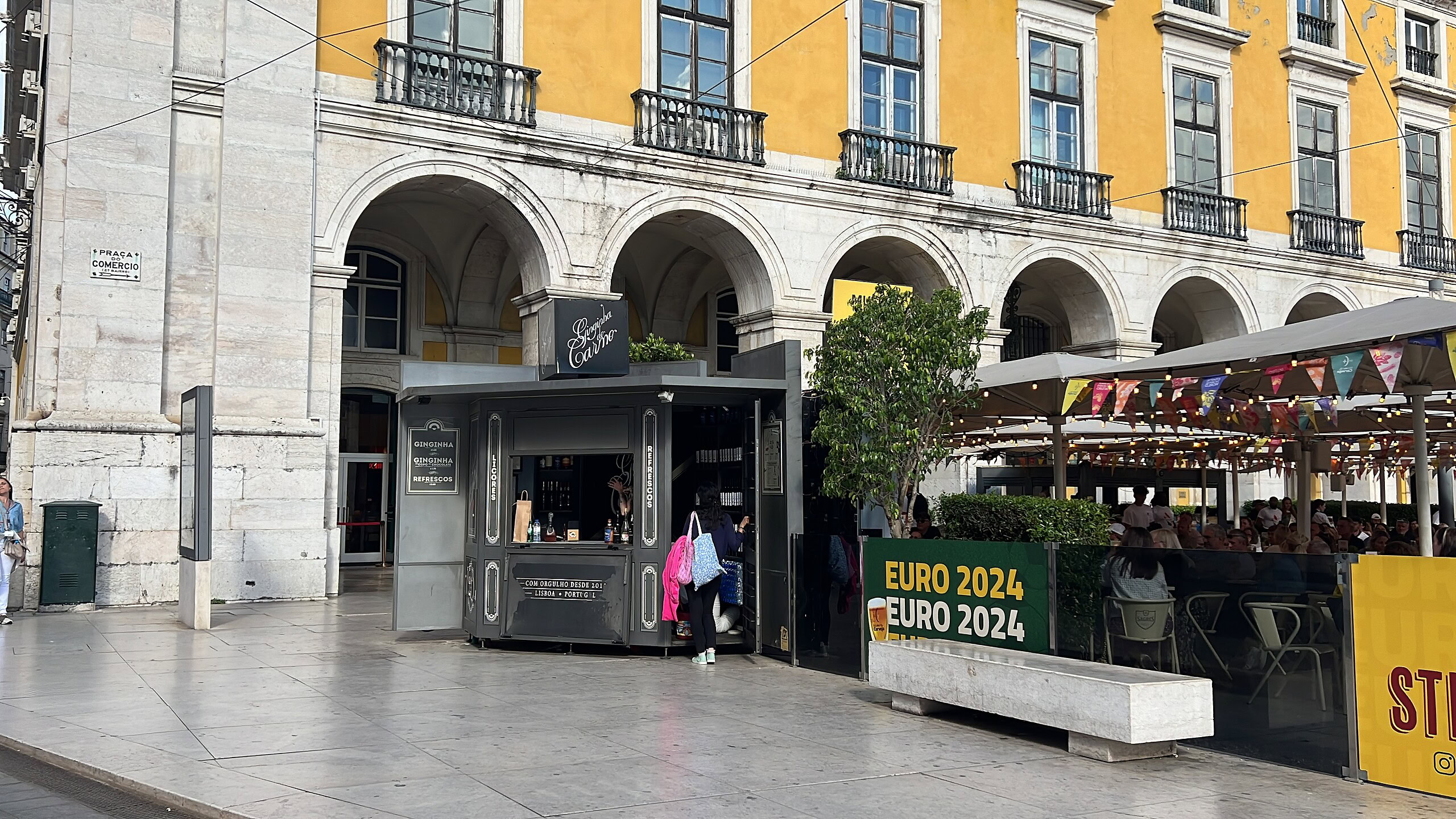
Ginjinha is a cherry liqueur served as a shot, either in a glass or, in some places, in a small cup made of dark chocolate.
It’s a part of Lisbon’s culture, and if you’re in Lisbon, it’s one of the easiest Lisbon traditions to try.
It’s a super cheap little drink; it usually costs around €1.50–€3 depending on the spot. It’s becoming a bit touristy, but in my experience, it still feels very local away from the main tourist streets.
I recommend trying it at Ginginha do Carmo Kiosk (Praca do Comercio) or at one of the local spots like Ginjinha Sem Rival.
In this guide, I’m showing you a bit of the history behind Ginjinha and where you get the best Ginjinha in Lisbon. I’ll also show you how to order it (com/sem) and what to expect the first time.
Best places to get Ginjinha in Lisbon:
- Ginginha do Carmo Kiosk
- Ginjinha Espinheira
- Ginjinha Sem Rival
- Ginjinha Rubi
- Ginjinha da Ribeira
Where Did Ginjiha Come From?
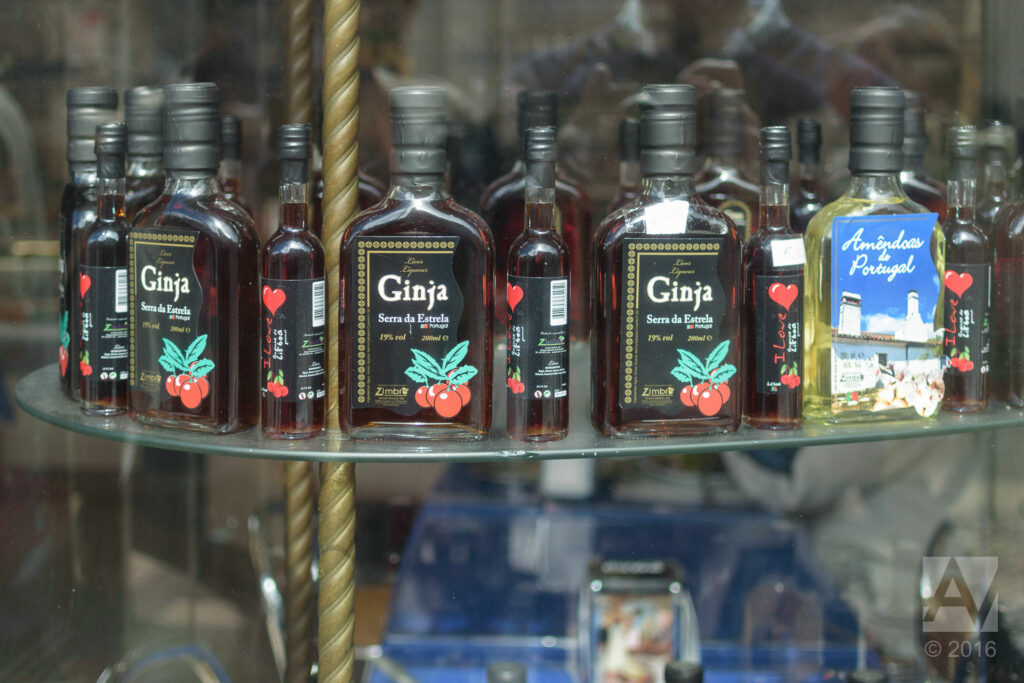
The sweet liqueur is as iconic in Portugal as the pastel de nata (Portuguese custard tart), but it all started with the Romans, who brought the ginja tree with them.
It is now part of the Portuguese culture, and the official drink was first sold to the public by Francisco Espinheira at a bar in Lisbon.
Yet, before he produced ginja, a similar cherry liqueur, which was very expensive yet time-consuming to make, it was served in Portugal mostly to upper-class citizens. It was so expensive because they fermented it directly from the cherries.
At the time, a friar at the Igreja de Santo António church suggested that Espinheira make a similar-tasting drink by infusing the cherries with an aquardente to mask the pungent alcohol taste using cinnamon and sugar.
It produced less time and cost and was a success with the residents. Today, you can still visit the bar to enjoy this alcoholic drink. It became a favorite among people and was used as medicine.
With time, it became a dinner drink and popular digestif. If you’re interested in exploring more Portuguese alcoholic beverages beyond ginjinha, check out my Portuguese wine guide and a drink of choice with the locals. During the 20th century, it became available in a small shot glass given to children to cure illnesses but mainly to let them sleep.
Is It Ginja or Ginjinha
When you pay attention, you notice that people use two different words. So, what is the right word, and are they different drinks?
Ginja is the Portuguese word for the sour cherry, and ginjinha is the alcohol derived from the fruit. You can refer to the drink either way.
A fact is that many brands market it as ginja.
How is Ginjinha Made?
The Portuguese liqueur is made from an aguardiente of brandy or fortified wine infused with sour cherries, cinnamon, and sugar.
The ginja-based mixed drinks have a dark red, sweet, and strong taste with an ABV of around 18% to 24%.
As mentioned before, the phrase ginja refers to the fruit that is a small red berry and very acidic.
The English term for this iconic drink is Morello cherry, and sometimes, it is called ginjinha. This simple drink can be found around every corner in Lisbon.
You find it sold at upscale eateries to street festivals. Ginja is made of Morello cherries and is smaller than the average cherry.
The Best Places to get Ginjinha in Lisbon
Ginja is a popular souvenir to buy and take home, and you can find ginjinha in so many stores around Lisbon.
While you can go on a guided tour of the Ginjinha, you can try Ginjinha by yourself at these spots.
Ginjinha Espinheira
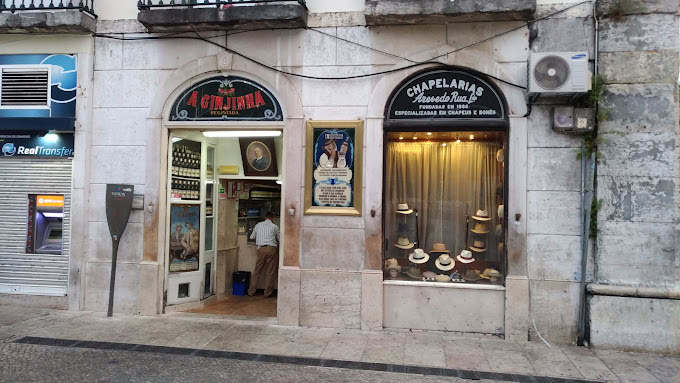
I recommend visiting A Ginjinha Espinheira first, and they are open from 9 AM to 10 PM. You can find them in Rossio, where they have been making this sour cherry liqueur since 1840.
It is also claimed to be the first bar to sell Lojas Com Lojas Com História. The bar is also known as Ginjinha Espinheira. The place is always busy, so be prepared, but the queue moves fast. A ginja shot costs €1.50, last time I was there.
Ginjinha Sem Rival
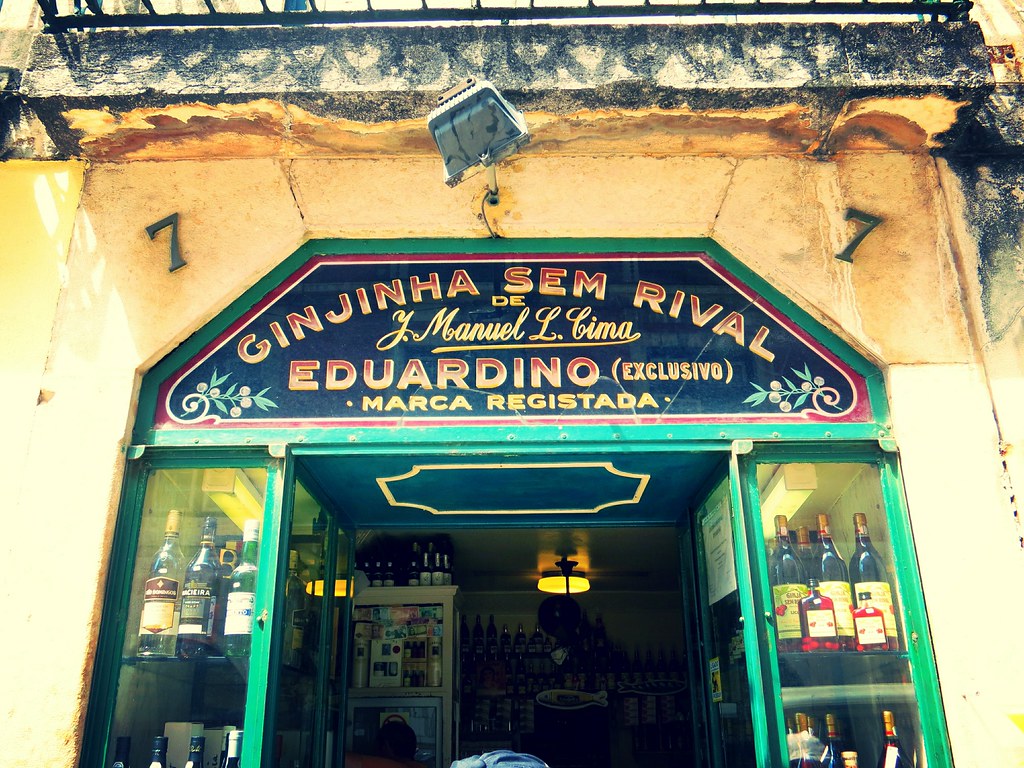
Another place to try is Ginjinha Sem Rival. It is located around a bend from A Ginjinha Espinheira and is just as old. So, you can try both to decide which Ginja you prefer. A shot of ginja costs €1.20, and they also serve other drinks.
Ginjinha Rubi
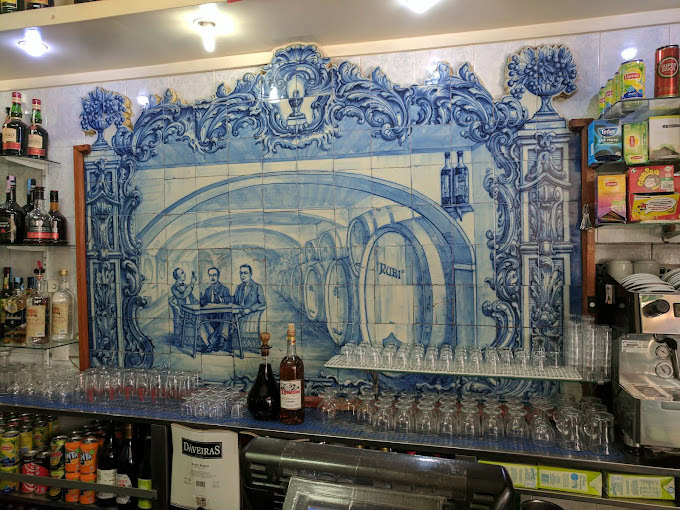
A short walking distance from the two rivals, Ginjinha Rube also serves Ginjinha. The cherries come from Obidos, and the bar dates back to the 1930s. As you can see in the photo, the inside has beautiful walls.
Ginjinha da Ribeira
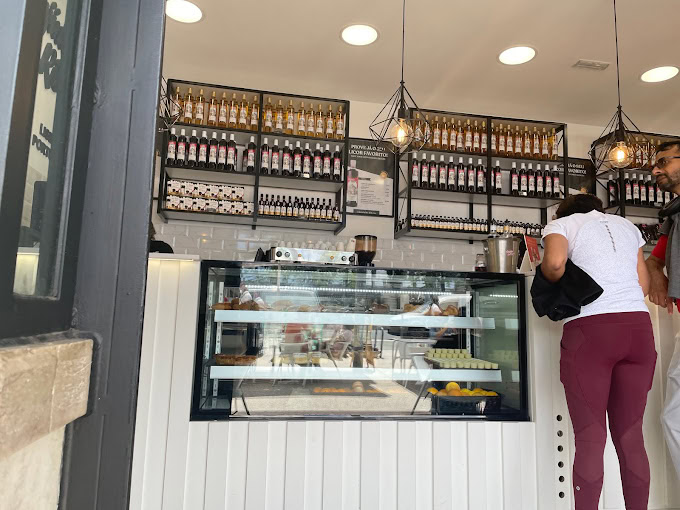
You do not need to travel to enjoy the ginja de Obidos, which can be found in Ginjinha da Ribeira, Lisbon.
But making a trip north to the medieval fortified town of Obidos is a must if you have time. At the Ginjinha da Ribeira, you can try the ginja in a decadent chocolate cup.
You can also order bottles of this liqueur. A shot costs around €1-€5.
How to Drink Ginjinha
There is no specific time of day to drink authentic ginjinha. When visiting Lisbon, you will find people outside the bar, opening and closing, enjoying the Ginja.
Tip: The sweet cherry liqueur shot is strong. I recommend enjoying a shot at lunch or having a big brunch before then.
To Cherry Or Not Cherry
I recommend considering this question carefully, as it is the first question they ask at some places, whether com elas or sem elas. Which means do you want your drink with a cherry or not?
Before you answer, eating the sour cherries found at the bottom is customary after you drink your shot. The authentic experience is to eat it.
But many people suck on the cherries and spit them out, but you can discreetly place them back into your glass.
But it can be a sticky experience and affect your experience.
I recommend trying both because you also get fewer shots when you get the cherry.
Enjoy Ginja With a Modern Twist
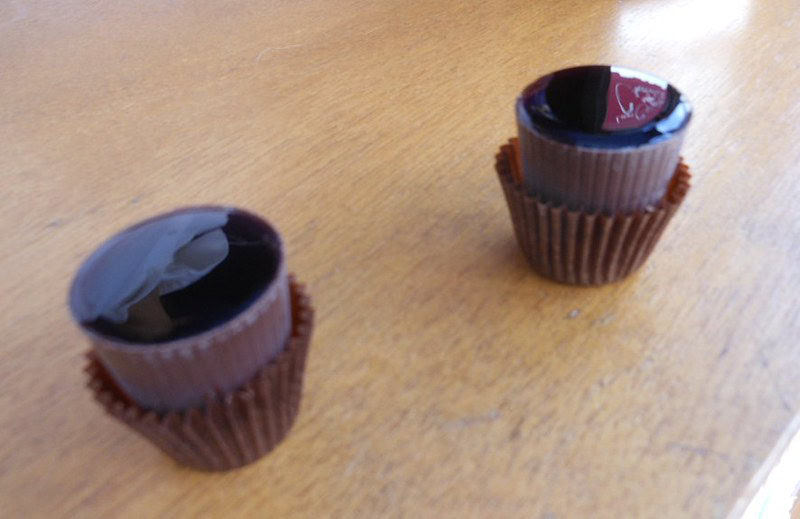
You can find classic recipes for this distilled alcohol drink, mostly consumed on its own. But you can serve it in many ways.
A common one created by Obidos, found on the north side of Lisbon, is very popular: enjoy it in edible chocolate cups.
The shots are in a dark chocolate cup with plenty of sugar and are very delicious. According to Obidos, you should enjoy ginja as an aperitif or a digestive after-dinner drink.
Still, you can find different ginja-based mixed drinks throughout Lisbon.
Where to buy Ginjinha bottles to bring home
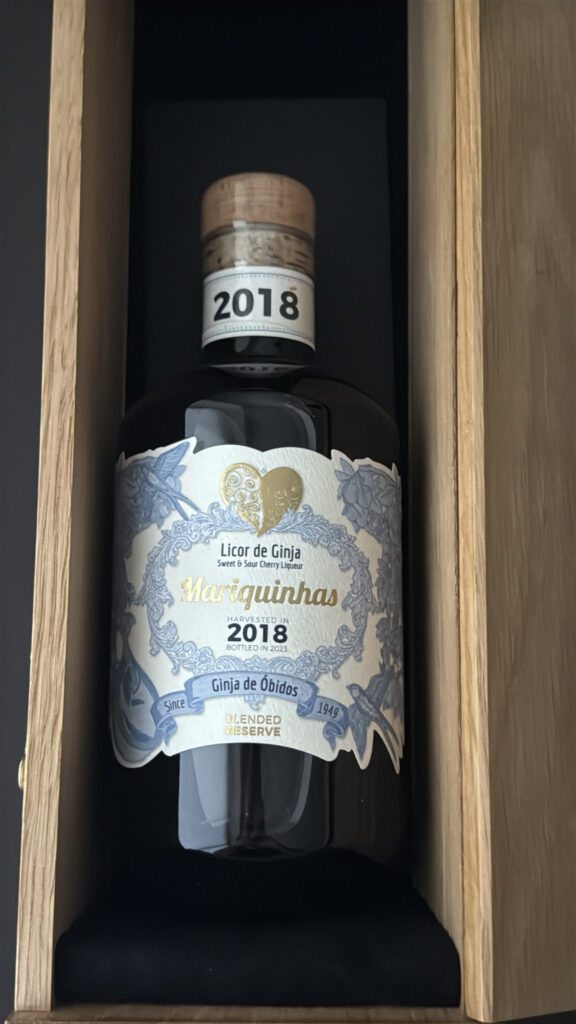
My favorite place is Garrafeira Nacional, they have so many different variations. You can go for a classic like Frasco Licor de Ginja Serra da Estrela.
One I tried recently, which might be the best I’ve ever tried, is Licor de Ginja d’Óbidos Vila das Rainhas Reserva. Super deep flavor, and very rich, but it cost €22.
Garrafeira Nacional has multiple stores around Baixa.
Wrap-Up: Try the Ginjinha in Lisbon
Drinking ginjinha is a fantastic experience, and you must try it at least once when you visit Lisbon.
It is part of Portuguese culture and is a local product sold to adults.
It brings people together, and you will fall in love with it. It tastes good and warms you up fast, no matter the time of year.
Ginjinha is just one of many things you need to try in Lisbon. For the full picture, including what to eat, where to eat, and how to avoid tourist traps, check out my complete Lisbon food guide.
So, take a shot at this iconic drink to create your own memories while here.