Rossio Square in Lisbon

Rossio Square Lisbon

Rossio Square(Praça do Rossio in Portuguese), officially named Praça de D. Pedro IV, is located in the heart of Lisbon and is probably my favorite square.

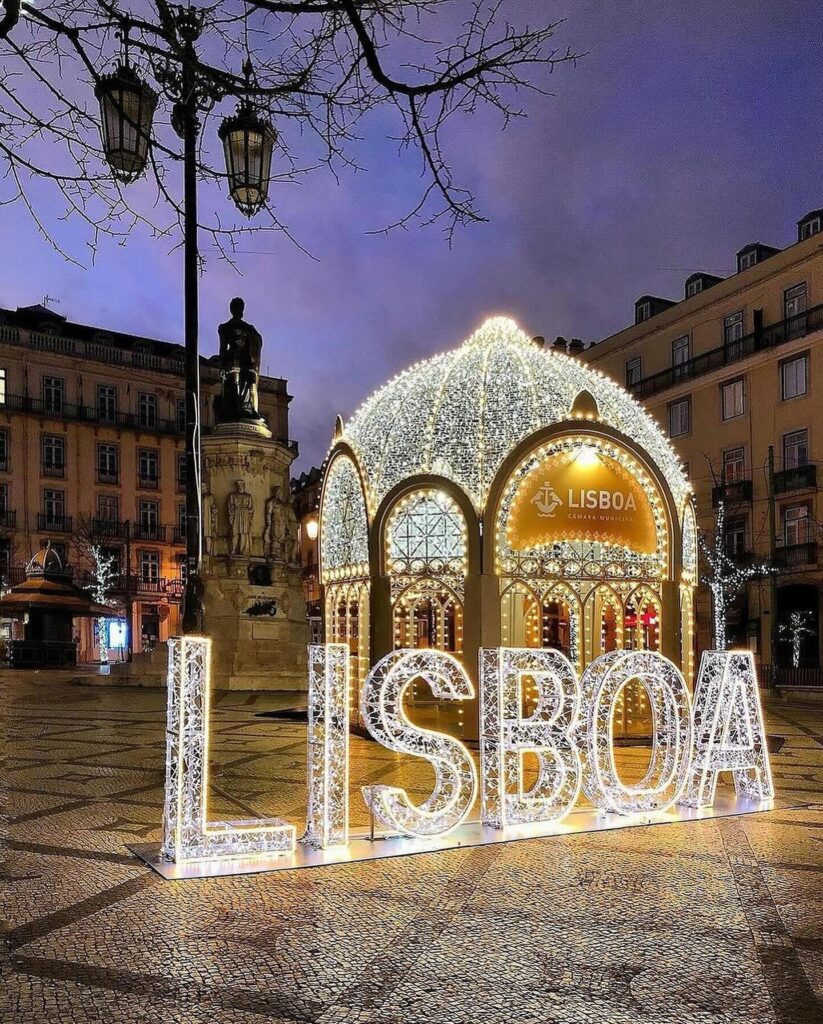
There is almost always something happening at Rossio Square. During Christmas and summer, they have a market and other times, they have small festivities, and the fountain in those surroundings is just beautiful.

When I’m in the Baixa area, I always have to stop and look to see what’s going on at Rossio Square. There is a metro station right next to the square, so it’s easy to get to.

Rossio Square History

Praca_Dom_Pedro_IV_Rossio

Praça Dom Pedro IV is a historical square and vibrant space in the center of Lisbon, in Baixa, close to everything.

Like the city, Rossio Square has a rich yet colorful history. Its history dates back to the 13th century and is one of Lisbon’s oldest squares.

During this time, the square was used in public shows, bullfights, royal proclamations, and later as a public execution ground. (Thank god it’s not anymore)

The square was originally named after King Afonso IV but has undergone several developments and transformations.

In the 19th century, it changed its name to honor Pedro IV, also known as Pedro Lof Brazil. Magnificent buildings surround Rossio Square, showing Lisbon’s architectural diversity.

During the 19th century, the square received a makeover with beautiful wave-patterned pavements.

Would you like to see more nearby attractions? Then check out my interactive Lisbon map.

The Two Baroque Fountains With Dom Pedro IV Statue

rossio-square-fountain

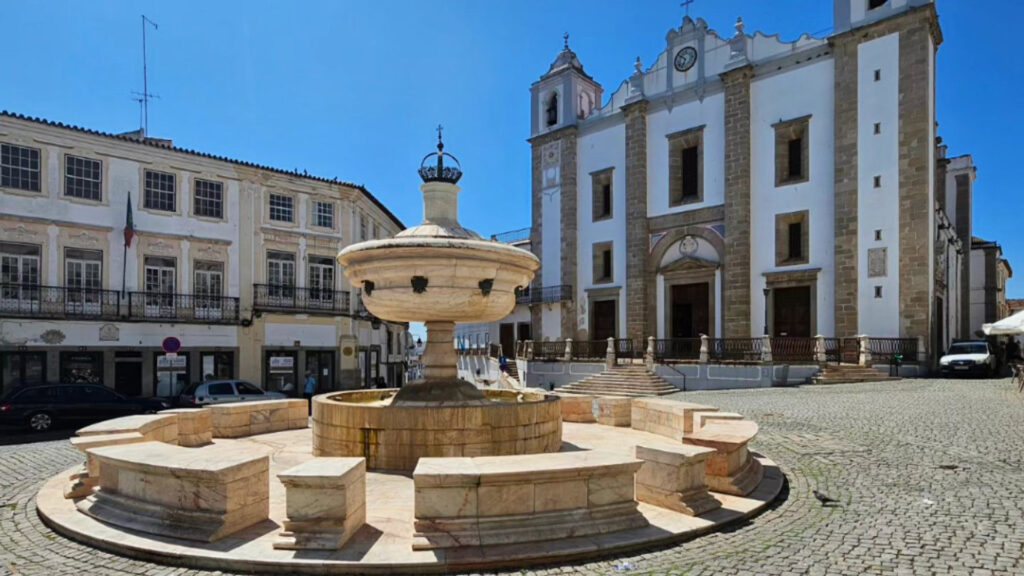
In the center of Rossio Square, two Baroque fountains were installed in 1889 on both sides of the Pedro IV monument.

Both are identical and were originally cast at the Val d’Osne boundary in France. Mathurin Moreau and Michel Lienard created the embellished sculptures around the fountains, depicting mythical figures.

The fountains in the central square were installed simultaneously with King Pedro IV’s bronze statue, the Soldier King.

In the center of the fountains is a marble pedestal monument depicting the parables of Justice, Wisdom, Strength, and Moderation.

Dona Maria II National Theater

Lisbona_Teatro_Nazionale

The National Theater Dona Maria ll, founded in 1842, is on the north side of the historic square.

The Teatro Nacional Dona Maria II is a prominent building in the square. It replaced the old Estaus Palace from the mid-fifteenth century.

The new tower was erected during the mid-nineteenth century after a design by the Italian Fortunato Lodi architect. The theater’s interior was destroyed in a 1964 bonfire but restored and opened again in 1978.

The facade features a statue of playwright Gil Vicente, the father of Portuguese theater.

Six massive iconic columns decorated with Apollo sculptures and muses support the pediment.

Rossio Metro Station

Rossio Square Train Station

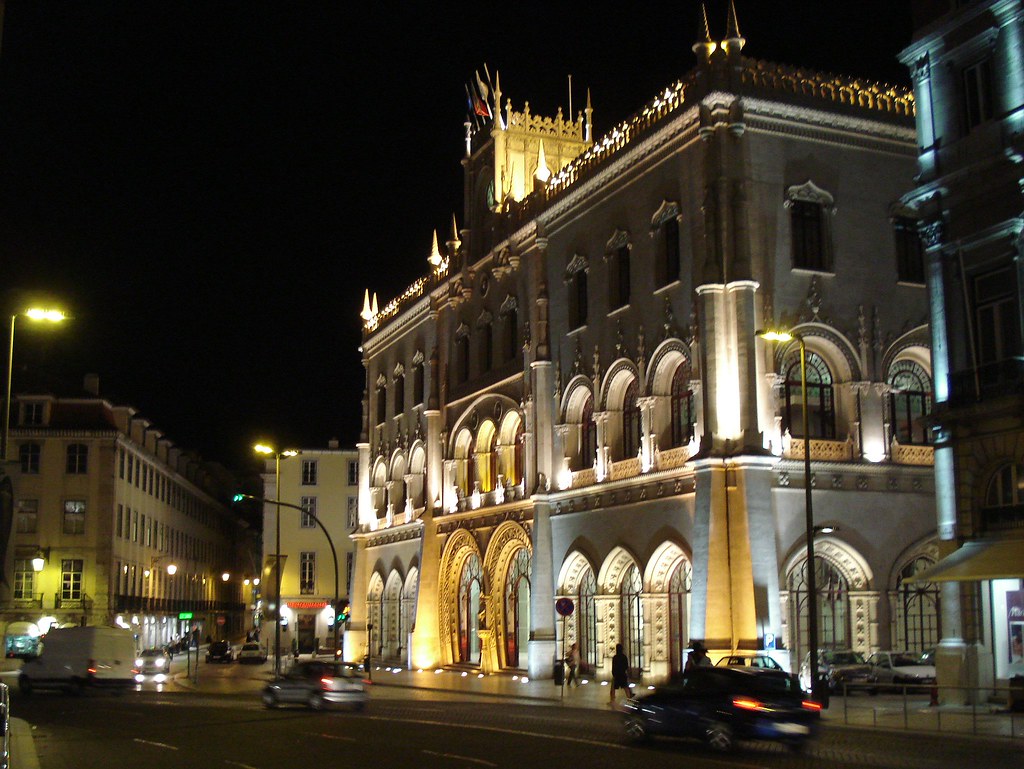
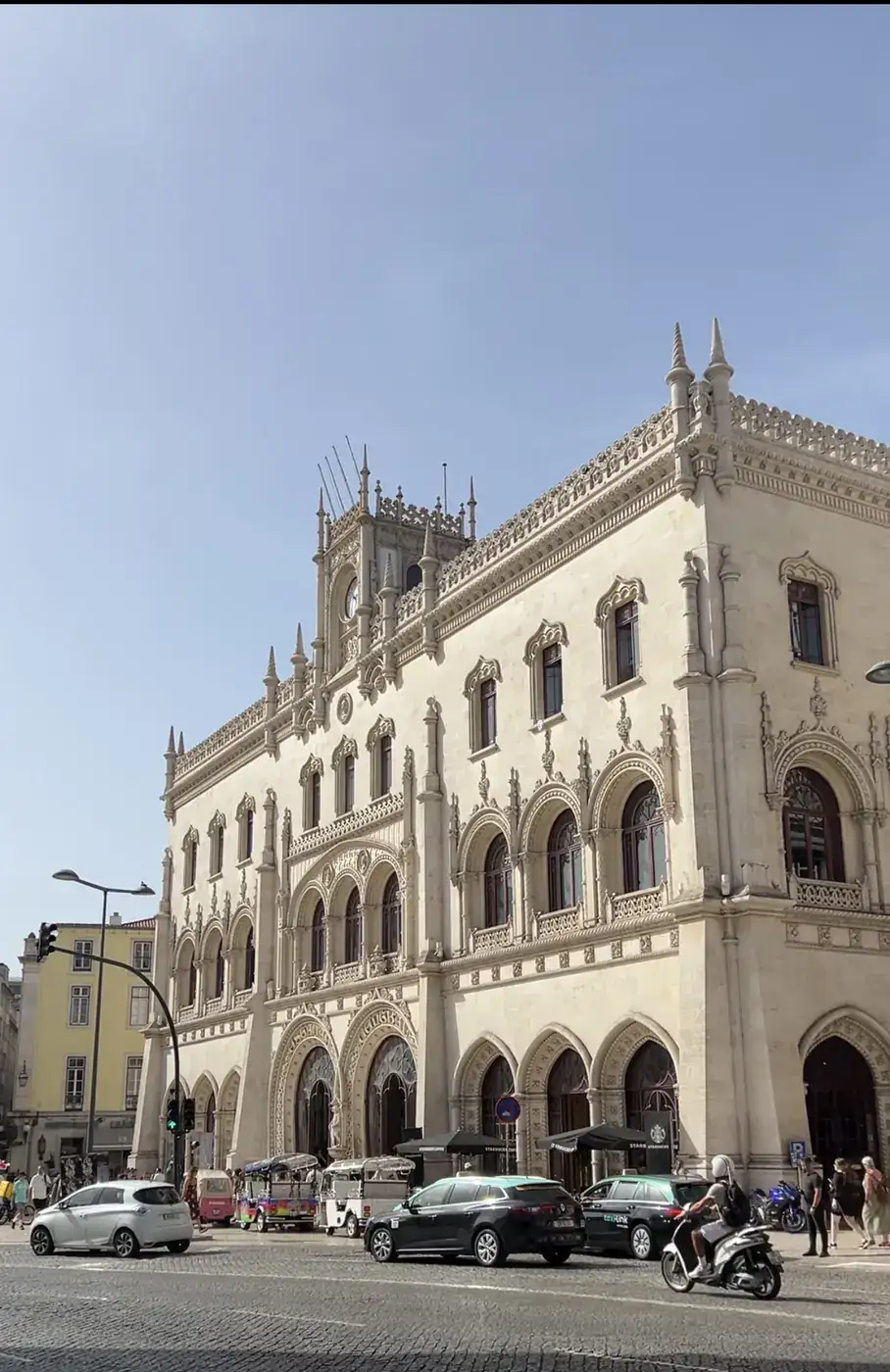
On the left side of the iconic square, you find Rossio Metro Station, built in 1887.

The stunning metro station has a neo-Manueline style, and its facade has intricate carvings with azulejos (ceramic tiles depicting Portugal’s history).

Ginjinha – A Cherry liqueur drink

a ginjinha

Another must-try is a Ginjinha, a traditional cherry liqueur made from Morello berries. It has a sweet, intense taste and is often served in a dark chocolate cup.

The first ginjinha was developed by a Galician friar of Santo Antonio Francisco Espinheira church.

Try Ginjinha in Praça de São Domingos, next to the metro station. It is a popular place to serve ginjinha, sold in small shot glasses or chocolate cups that you can eat afterward.

The price per small shot glass is around €1.40.

Praçada Figueira

King Jose l Lisbon Statue

Close to Pedro IV Square is Praça da Figueira, which means Square of the Fig Tree. It was one of Marquês de Pombal’s creations.

It replaced the Lisbon main hospital, which was destroyed during the 1755 earthquake. The original use was a market, and it still is today, but it’s also being used as a hub for buses and trams.

Here, you will find a massive statue of King John I, designed by Leopoldo de Almeida and installed in 1971. It was relocated to the corner in 1999 and is visible from Praça do Comércio.

Attractions Nearby

santa_justa_lift

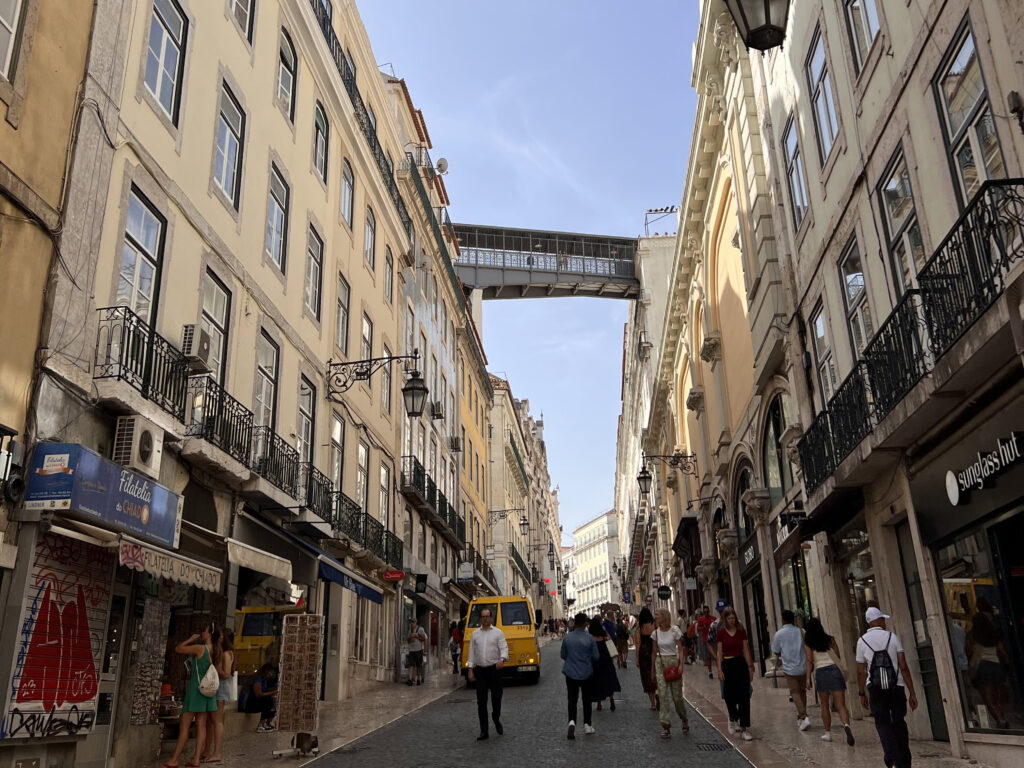
Walking from the heart of downtown, you can find other attractions for history enthusiasts.

  • Visit the main shopping street, Rua Augusta.
  • Head to the large Restauradores Square.
  • Visit the São Domingo Church, which is marked by tragedy.
  • See the City Hall Palace at Municipal Square.
  • Check out the Conceição Velha Church that survived the earthquake.
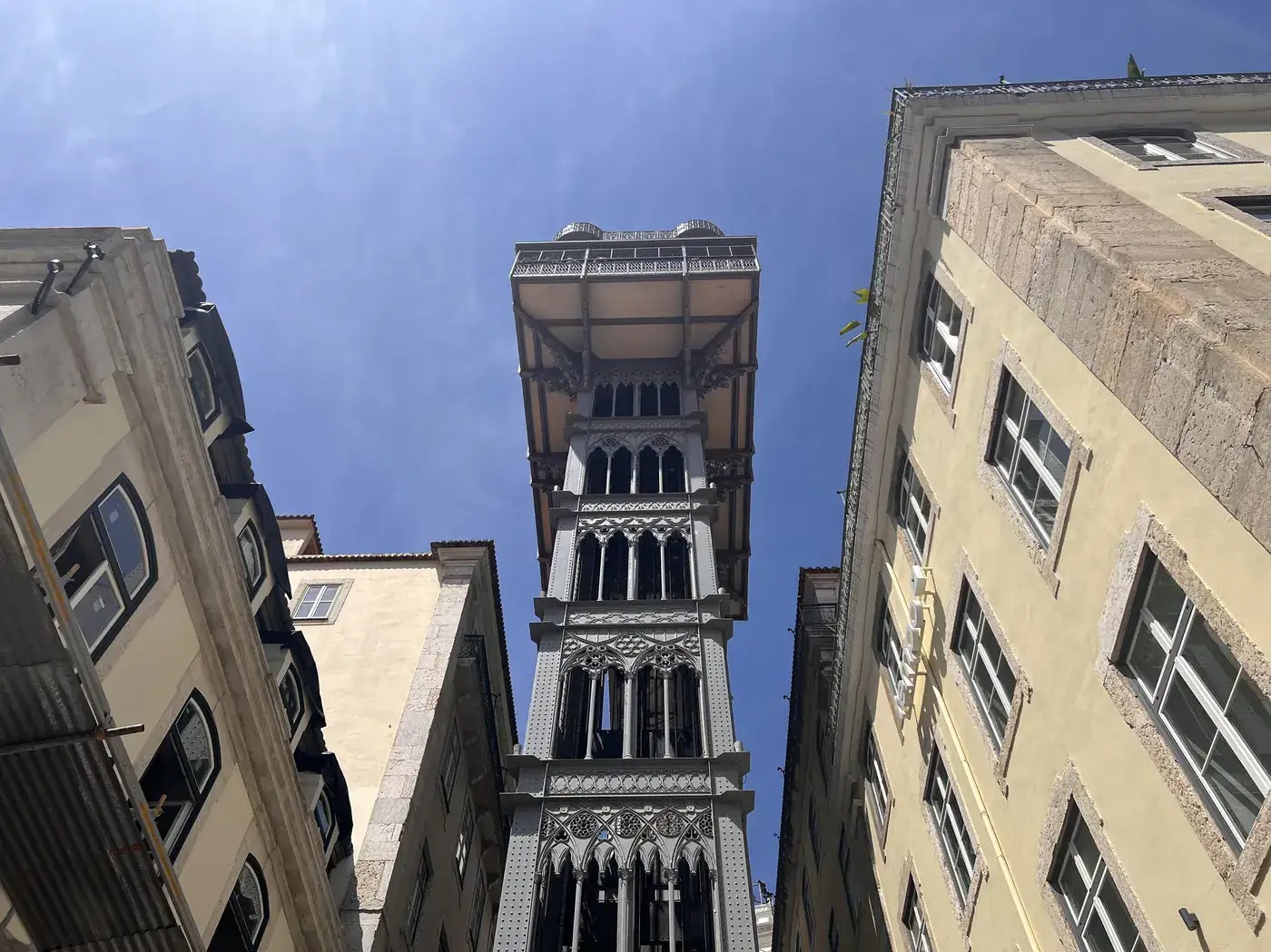
  • Take a ride on the Santa Justa Lift, a prominent Lisbon landmark.
  • Enjoy some seafood at the pedestrian street Rua das Portas de Santo Antao.
  • Walk down the main avenue, Avenida da Liberdade.

How To Get to Rossio Square

I always walk to Rossio Square and recommend you do the same unless you stay outside the center. Walking from the center can take 5 to 25 minutes, and walking in Lisbon is always beautiful.

If so, take the Blue Metro Line to BaixaChiado or Rossio Square Station. The metro is the most straightforward way. You can also take the Green Metro Line to stop at Rossio and Baixa-Chiado stations, both accessible by elevators.

Alternatively, you can take an Uber, which will probably only cost a couple of euros, depending on how far away you are.

Here are the best things to do in Lisbon in February 2026

I’ll send you a list of the best things to do in February and every month thereafter.

It’s based on my personal experience of living and traveling around Lisbon for years. I’m sharing many hidden gems.

Looking for weekly Lisbon tips? Check out my Lisbon Newsletter.

Privacy PolicyPrivacy Policy

Wrap-Up

Whether you’ve seen Rossio Square or not, I recommend you visit it on your next Lisbon trip. Something is always happening, whether it’s a market, a public show, or something else.

While you’re there, you’re in the center of Lisbon anyway, so you can explore Chiado and Baixa to shop or visit the many monuments.

Rossio Square is a central meeting point in Lisbon, and you’re close to everything happening in Lisbon, even Alfama.

Frequently Asked Questions

Rossio Square is known for its lively atmosphere, historical significance, and iconic wave-patterned pavement. It serves as a hub for local culture, with nearby cafes, shops, and landmarks such as the National Theatre D. Maria II.

In Portugal, “Rossio” refers to a large public square or open space commonly used for gatherings and markets.

Planning On Going To Lisbon?

lisbon tram 12e

Similar Posts

Leave a Reply

Your email address will not be published. Required fields are marked *