Lisbon Food Guide for first-timers: what to eat, how to avoid tourist traps, and exactly where to go, plus neighborhood shortcuts and a simple food itinerary.
I’m a huge foodie, and food is such a big part of my life, and if you’re the same, then you’re in for a treat in Lisbon. I’ve lived in Lisbon and traveled there, and it’s always the food I look forward to most.
Portuguese are so good at creating food that tastes beyond anything you’ve ever tried before, and it doesn’t matter what type of restaurant or whether it’s high-end or local.
Quickly, if you only have 2 days in Lisbon, eat these 8 things:
- Pastel de nata
- Bifana
- Grilled sardines
- Bacalhau
- Piri-piri chicken
- Seafood rice
- A proper Portuguese breakfast/brunch
- Ginjinha
Here are some shortcuts if you want a list of the best places within a category:
Lisbon food basics
Must-try dishes
Some of the classic things you need to try are bacalhau a bras, bifana(pork sandwich), Caldo Verde(soup), bacalhau(salted cod), piri-piri chicken(spicy), and tons of seafood dishes.
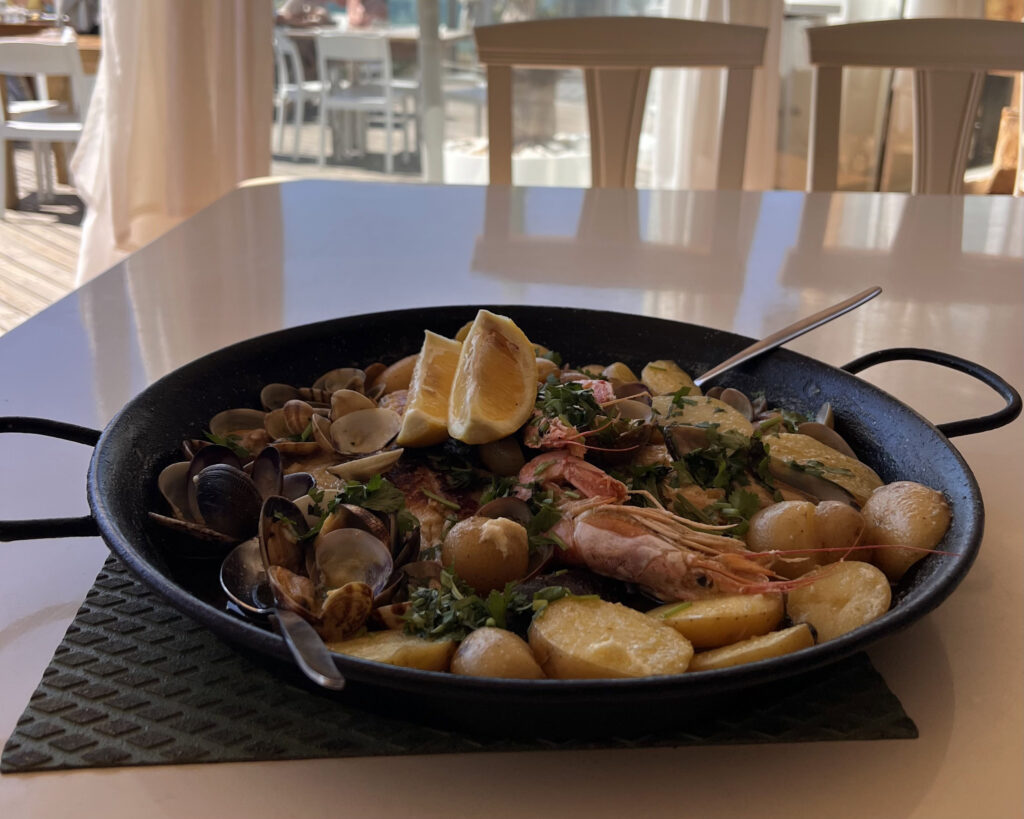
Lisbon is a coastal city, and they bring in amazing fish and shellfish every single day. One of my go-to dishes is Gamba Shrimps, which pairs amazingly with Pao de Mafra.
Meal times
One thing to be aware of is that the Portuguese eat dinner very late because they have up to 7 meals a day.
My partner is Portuguese, and I’m Danish, so we had some fun days in the beginning when I thought we were having dinner and she thought we were having lunch. She would eat dinner at 9-10 pm back then, whereas I would eat around 6 pm.
A tip here: if you’re meeting up with a Portuguese person, it’s not abnormal for them to be 20-30 minutes late to an appointment. I once waited 50 minutes for an acquaintance, and once the person arrived, it was completely normal for them to be late, so don’t be surprised.
What a Tasca is
When you choose a place to eat, local places are often the best, so look for Tascas. Tasca means tavern or bar, but it’s where you get the best Portuguese food and where locals often eat.
I tried this a lot when I lived in Alfama, and I had some of my best meals there. The restaurants don’t look like a lot, and inside, it’s super simply decorated, but don’t worry, the food is absolutely amazing and extremely tasty.
Two mistakes you want to avoid when eating out:
- Don’t eat the bread, olives, or cheese brought to you unless you want to pay for them; politely say “nao, obrigado/a” to send them back.
- If you order a coffee and just say the word “coffee,” you’ll get a bica, which is a double espresso shot. You need to be very specific about what you want. I often order an americano or flat white if I want coffee. The Bica is very strong, just a heads up.
Avoid the tourist traps
Quick Rules
- Rule #1: Walk 2 streets away from Rua Augusta.
- Rule #2: If someone is pulling you inside, skip it.
- Do instead: search for “tasca” or look for places with Portuguese-only menus.
Even though it’s not bad food, you want to avoid tourist-trap restaurants. It’s often overpriced and not as good as the real stuff.
All the restaurants on the main shopping street, Rua Augusta, where you see people standing outside trying to pull you in, or the menus are outside, plastered with photos, avoid them.
The restaurants near Rossio Square, on one side, avoid them; these are also tourist traps.
Instead, you want to go for those restaurants more hidden down small alleys, where the inside looks like something of a 90s themed restaurant.
If the restaurant doesn’t look like much, it’s often extremely good.
In Alfama, you’ll find so many great restaurants in sidestreets to the main streets. In Baixa and Chiado, it’s a bit more difficult, but you can find them as long as you’re not in the crowded areas.
In Principe Real, almost all the restaurants are amazing and not tourist traps. Try places like Tapisco, Pica-Pau, and Coyo Taco if you’re in the mood for Mexican.
Where to eat in Lisbon
There are so many different types of restaurants around Lisbon; they have some of the best brunch and overall food I’ve had in my life, and the Portuguese cuisine is simply among the best in the world.
Classic Portuguese meals
- Pica-Pau: Amazing food all around, and they have a daily dish that changes every day. It’s great for both lunch and dinner.
- Tapisco: A bit more high-end, and you can often get a seat at the table if you’re a walk-in. Amazing Portuguese food, I love their Arroz de pato(Duck rice).
- H3: This is a super simple restaurant where you can choose from 6 (might change) main dishes, all very Portuguese. This is used a lot by locals, and you find them everywhere, especially in malls.
- Here are some more Portuguese restaurants in Lisbon.
Brunch + breakfast culture
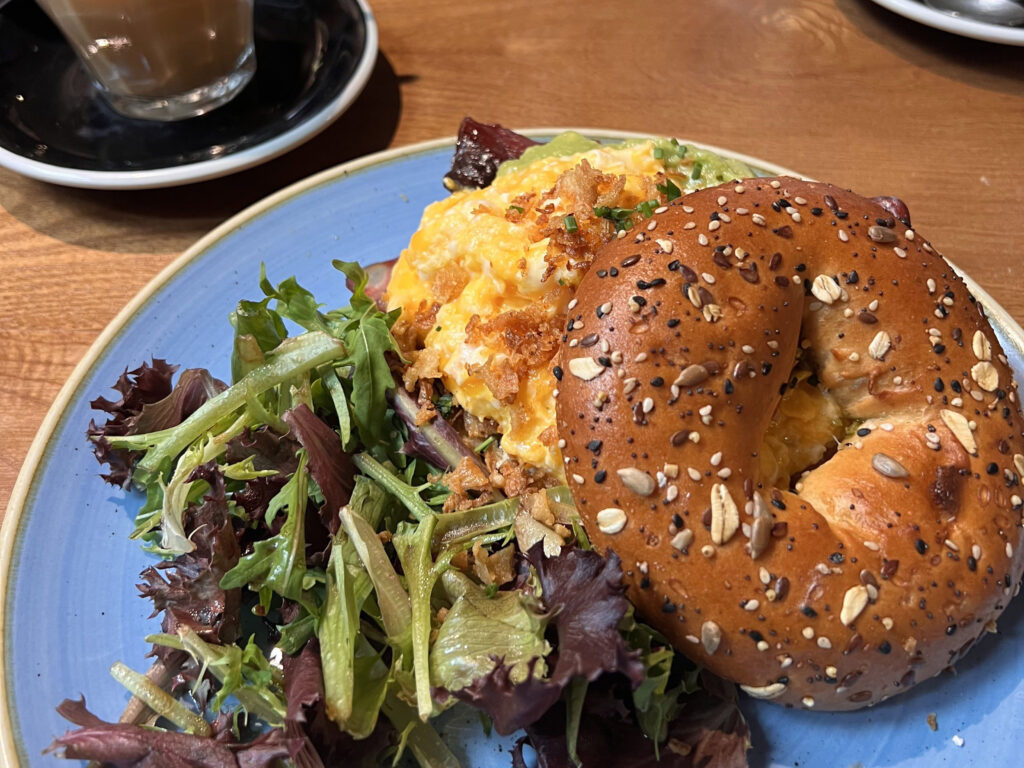
- Seagull Method: An amazing place near Principe Real with incredible food. Try their brioche bread with egg, it’s amazing. Come in good time, as you can’t book a table; they only do walk-ins, and there’s often a queue, but it moves fast.
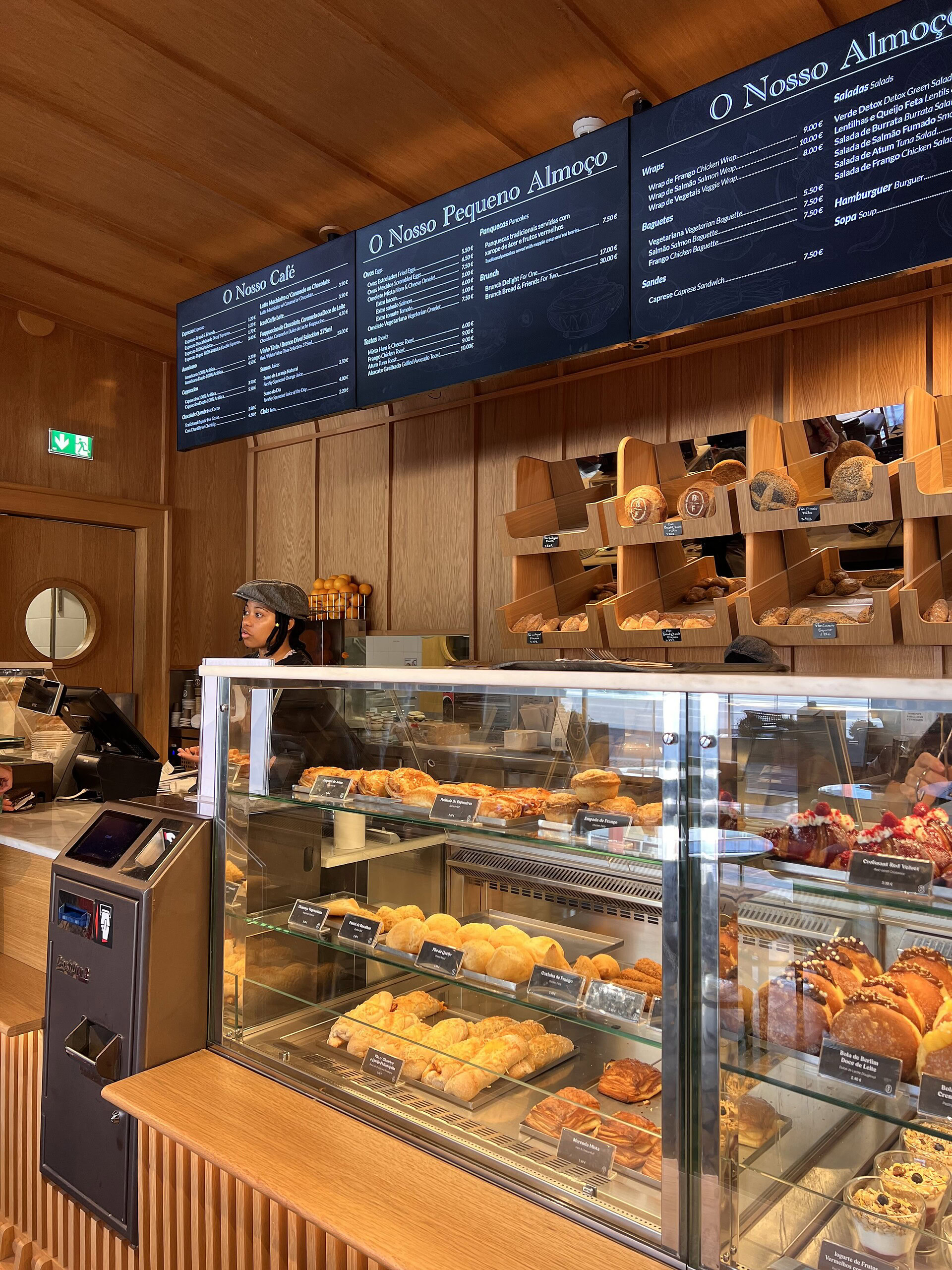
- Bread and Friends: This is a bit more used by locals, and it’s absolutely amazing. It’s not a traditional brunch place, but a place where you walk up to the counter and order your food. I love their croissants with filling and their pao de queijo.
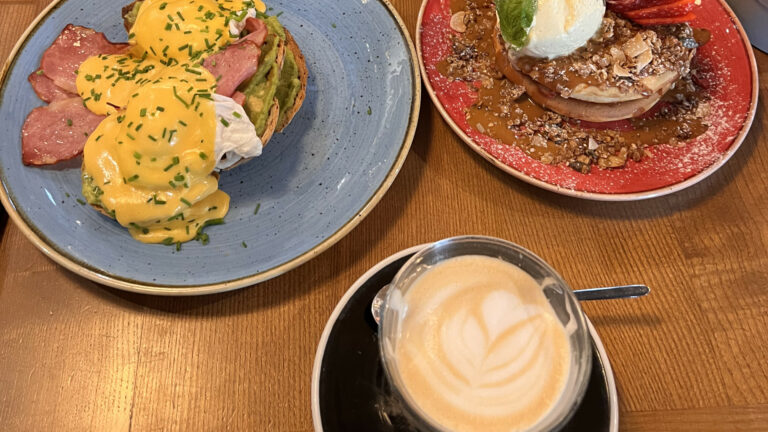
- Dear Breakfast: This is my favorite traditional brunch place. I think I’ve tried all their dishes now, and I love it when they do the breakfast tacos, but their mini-pancakes with strawberries are so tasty too. My partner always gets the eggs benedict which is amazing too.
- Here is a list of more brunch places in Lisbon.
Bakeries + pastries
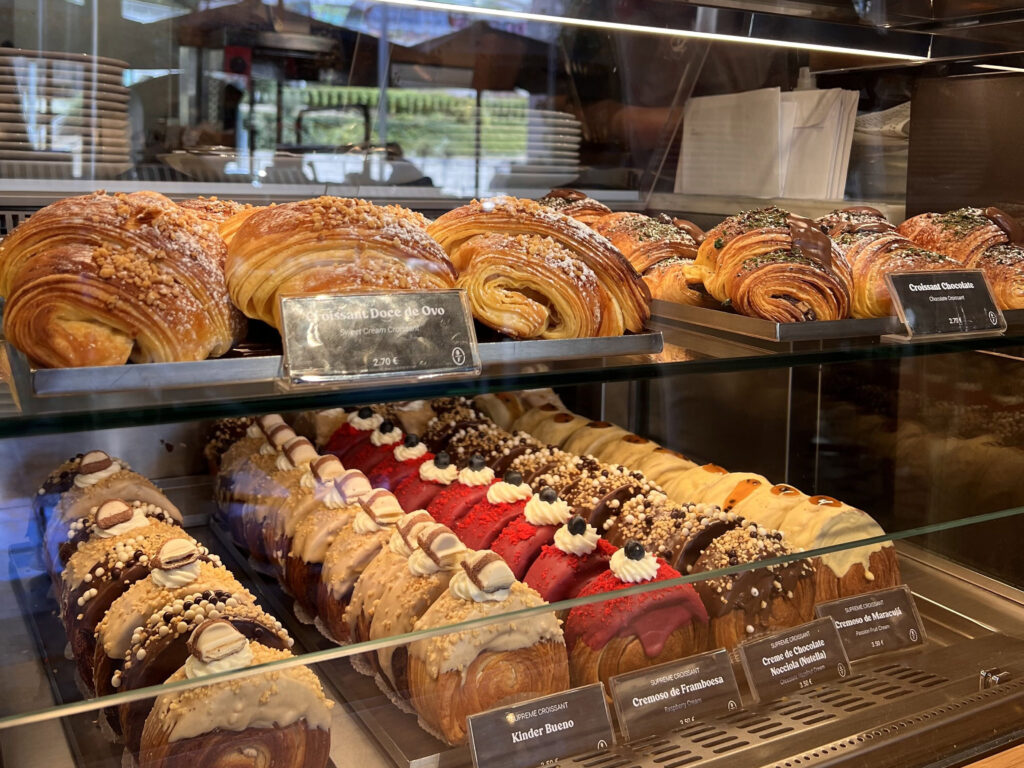
- A Padaria Portuguesa: It doesn’t get more Portuguese than this. This has always been my go-to bakery when in Lisbon. It has everything, but my favorite thing is their Croissant Brioche with cheese. It hits the spot every time.
- Bread and Friends: This is where I would go for pastries. It’s the second time I’ve mentioned this place, but their bread and pastries are just out of this world. Definitely worth a try.
- Any local café: Don’t sleep on the local cafés where you don’t see big signs and advertisements. These are amazing too. If you want to try something different, try the Piramide, a cake covered in chocolate with a cocktail berry on top and a little whipped cream.
Coffee culture (where to sit vs take-away)
- Fabrica Coffee Roasters: I tried this for the first time in 2018, and it’s really a place that cares about its coffee. However, the quality varies widely from place to place, as their baristas are quite different. My go-to is the one close to Avenida da Liberdade.
- Delta The Coffee House: This place is located right on Avenida da Liberdade, and you walk right into the coffee roaster where they roast their coffee. They have a wide selection of coffees, as well as food. I’ve eaten lunch here a couple of times, and it was great.
- Comoba: Another place that’s great for brunch, and they make great coffee as well. You can take it to go or together with your brunch. I always go for an americano or flat white, and yes, they do have decaf.
- Here’s a list of more great coffee places around Lisbon.
Beach Restaurants near Lisbon
While there are no beaches in Lisbon, the city is surrounded by amazing beaches, and each has numerous excellent restaurants. Here are some of my favorites:
- Pé Nú Beach Club
- SUD Lisboa (Not a beach restaurant, but located at the edge of the water in Belém)
Pastel de nata
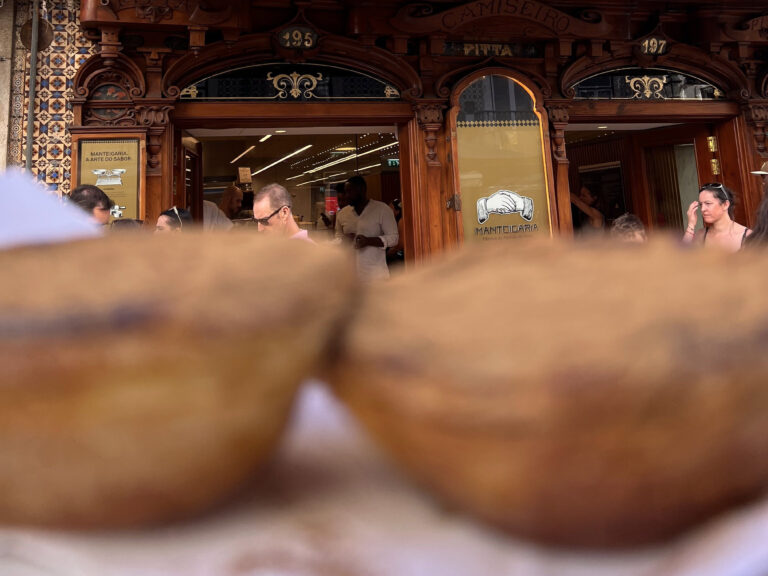
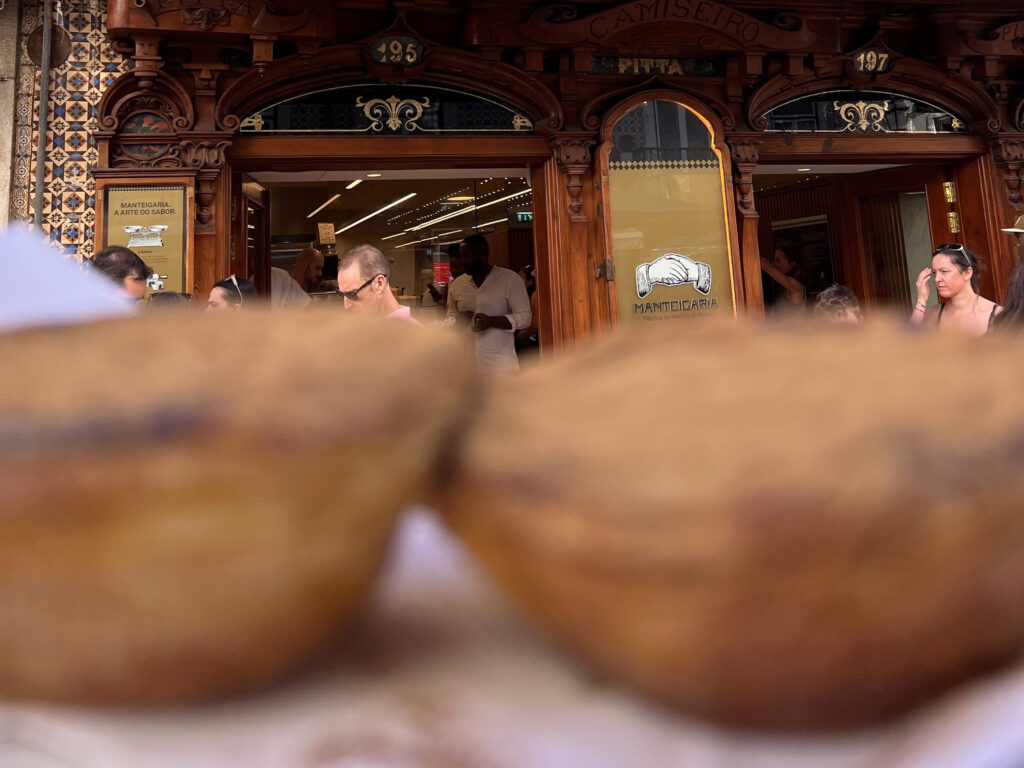
- Manteigaria: Choosing the best pastel de nata is like a religion in Portugal, but in my opinion, Manteigaria is the best, especially when it’s still lukewarm and with some cinnamon on top. I’ve lost count of how many of these I’ve eaten.
- Pastéis de Belém: The most famous pastel de nata comes from here. It’s amazing still, and you should try their bolo de berlim while you’re there.
- Castro: This is a place I didn’t try until 2025, and it did not disappoint. It’s not as good as Manteigaria, but still amazing. Remember, cinnamon on top, it elevates it even further.
- I’ve tried all the places you can find around Lisbon and made a complete list of the best pastel de natas.
Piri-piri chicken
- Bonjardim: This is my go-to for piri-piri chicken; it tastes absolutely amazing. If you want it extra spicy, when you order the chicken, remember to tell them. On the table you sit at, there is the piri-piri sauce, which you can add to your chicken. I like to order it with fries and rice. It’s the best.
- I have yet to try more places in Lisbon where their piri-piri chicken comes close to Bonjardmi, which is why I don’t recommend others.
Where to eat in Lisbon by neighborhood
If you don’t want to run around Lisbon for places to eat, I’ve made sections for each neighborhood with my favorite restaurants.
Baixa & Chiado
Baixa and Chiado are actually two different neighborhoods, but because they border each other and are connected by a metro station named Baixa/Chiado, people think they’re the same thing.
If I could give you three places I would recommend eating are:
H3: The perfect place for a quick lunch. Go to the counter, order a traditional Portuguese meal, sit at the table, and enjoy it. My favorite is the main dish with Mushrooms, there is only one.
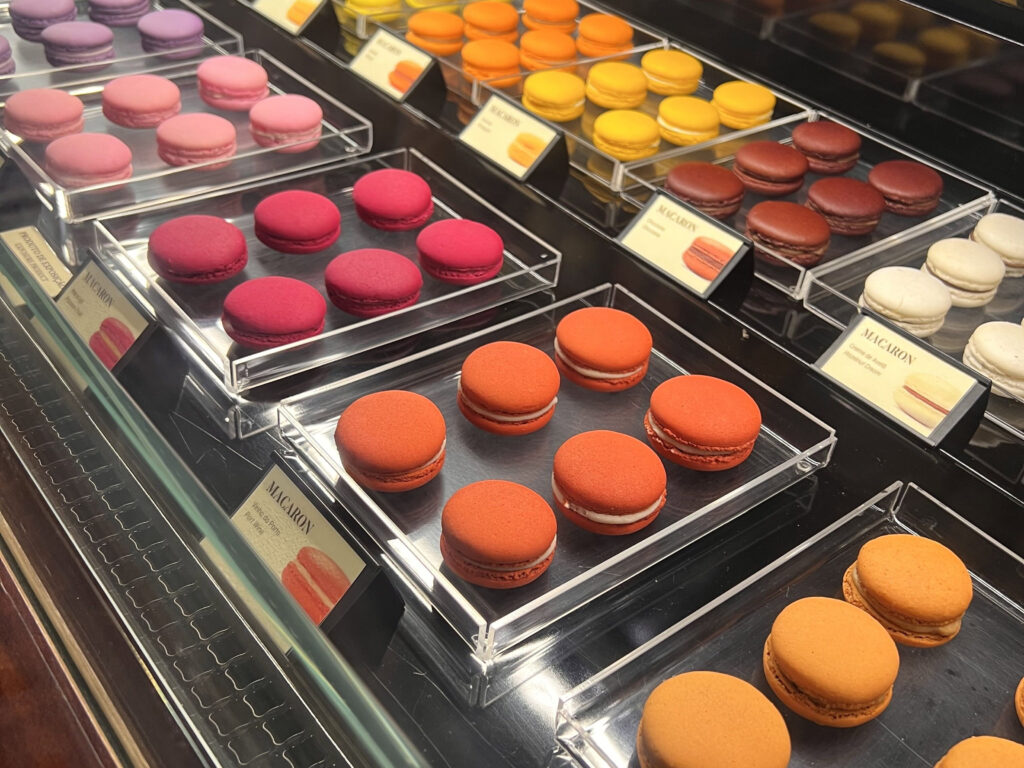
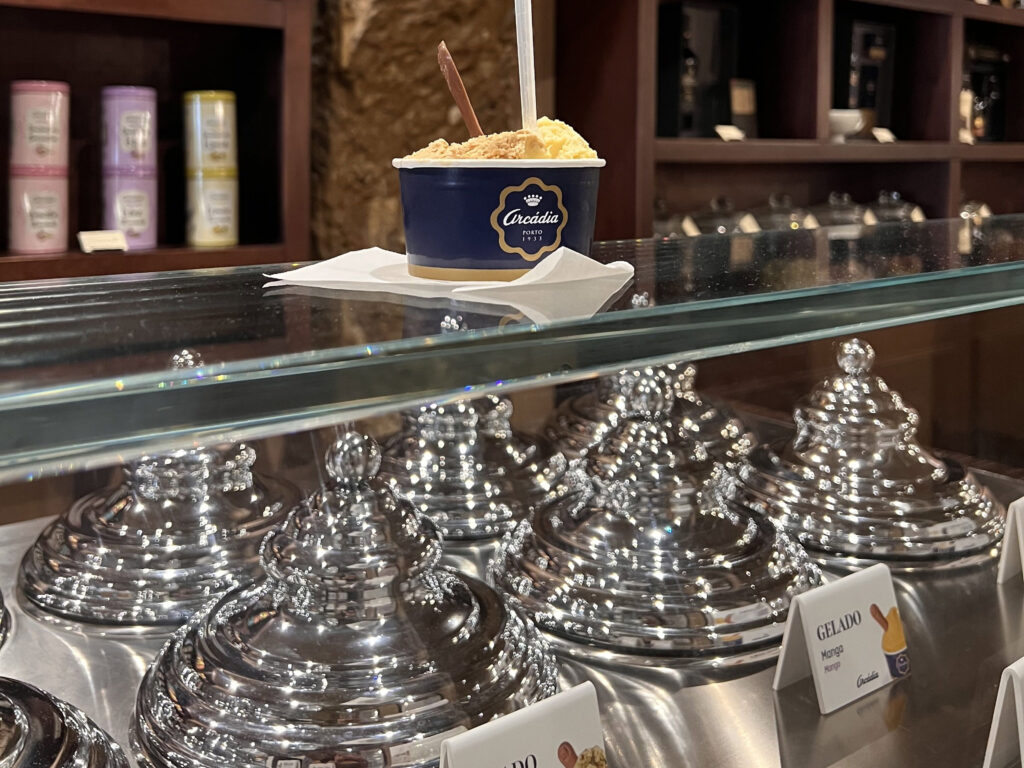
Arcadia: My go-to place for dessert. Their macaroons and gelato are out of this world. Especially their hasselnut macaroon. Their gelato is the most tasty I’ve ever had.
Palacio Chiado: Perfect for a date night, but it’s a bit pricy and a more upscale place to eat. I absolutely love it, though. I recommend going here for dinner.
Here is the full guide for Chiado, and here is one for Baixa.
Alfama
I know there are a lot of great restaurants if you walk further east in Alfama. Go for the local ones that don’t look like much, it’s the best ones. If the menu is in Portuguese only or it’s a Tasca, I recommend it.
One specific recommendation: Memmo Alfama, I haven’t tried it yet, but it’s consistently recommended.
Here is a guide for the Alfama area.
Príncipe Real
This is my favorite area to eat. There are so many amazing places along the main street that leads down to Chiado.
Pica-Pau: My go-to for Portuguese food, it’s simply amazing. Their duck rice, garlic shrimp, and pao de mafra are just amazing.
Coyo Taco: My favorite Mexican place in Lisbon now that Bala closed. Their tacos are the best I’ve ever had, and the restaurant is super cool. They don’t take reservations, so you just need to put your name down. It moves fast.
Tapisco: A lot like Pica-Pau but a bit more upscale. They’re mentioned in the Michelin guide, and their food is outstanding. I like their duck rice as well, but their meat dishes are amazing too.
Here is a guide for Principe Real experienced through my eyes.
Bairro Alto & Cais do Sodré
Bairro Alto & Cais do Sodre are two areas close to each other, and there are two places you just have to try.
Time Out Market: This is a tourist spot, but that doesn’t change the fact that the food is absolutely amazing. It’s a food hall with more restaurants than you can imagine. My favorite is the bifana from Henrique Sá Pessoa.
As Bifanas do Afonso: This is a little corner restaurant with no indoor seating. You just walk up to the window and order your bifana. It’s among the best, and it’s so simple. Remember to add mustard, it’s a world of difference. They don’t take credit cards, so bring cash. They don’t speak English, but it’s quite easy.
Here is a guide for Bairro Alto and Cais do Sodre.
Belém
I don’t often eat in Belém, but there are two places I strongly recommend.
SUD Lisboa: I’ve been here a couple of times, and I’m always having a good time. It’s a high-end dinner, and if you come on Fridays or Saturdays, there is often a singer or dancers while you dine. It’s right at the border of the Targus River, so the view is immaculate.
Pasteis de Belém: This is the famous pasteis de Belém that you just have to try; there is no way around it. I recommend trying their bolo de berlim as well; it’s incredible.
Here is a guide to the Belém area.
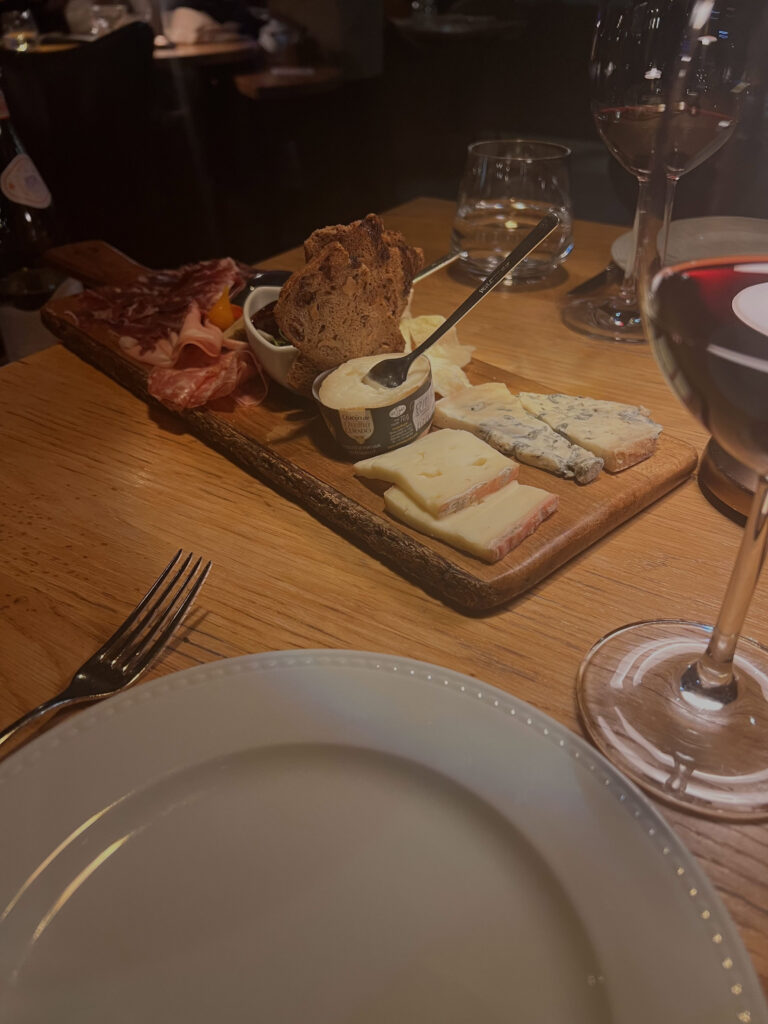
Lisbon drinks: wine + ginjinha + rooftop culture
Portugal is such an underrated country when it comes to wine. Both their reds and whites are among the best in the world, but because it’s not French, italian or american you get them for a fraction of the cost.
I’ve tried more than 100 Portuguese wines, and I continue to be amazed by how good Portuguese winemakers are.
You probably know port wines, but there is so much more than that.
When you’re in Lisbon, go to Garrafeira Nacional and ask for Rita. She has extensive knowledge of Portuguese wine and tastes a lot of it.
If you’re in restaurants and want to play it safe, go for wines from the Douro region for dry, refined wines, or, if you feel more playful, the wines from Alentejo are often a bit spicier and have a lot going on.
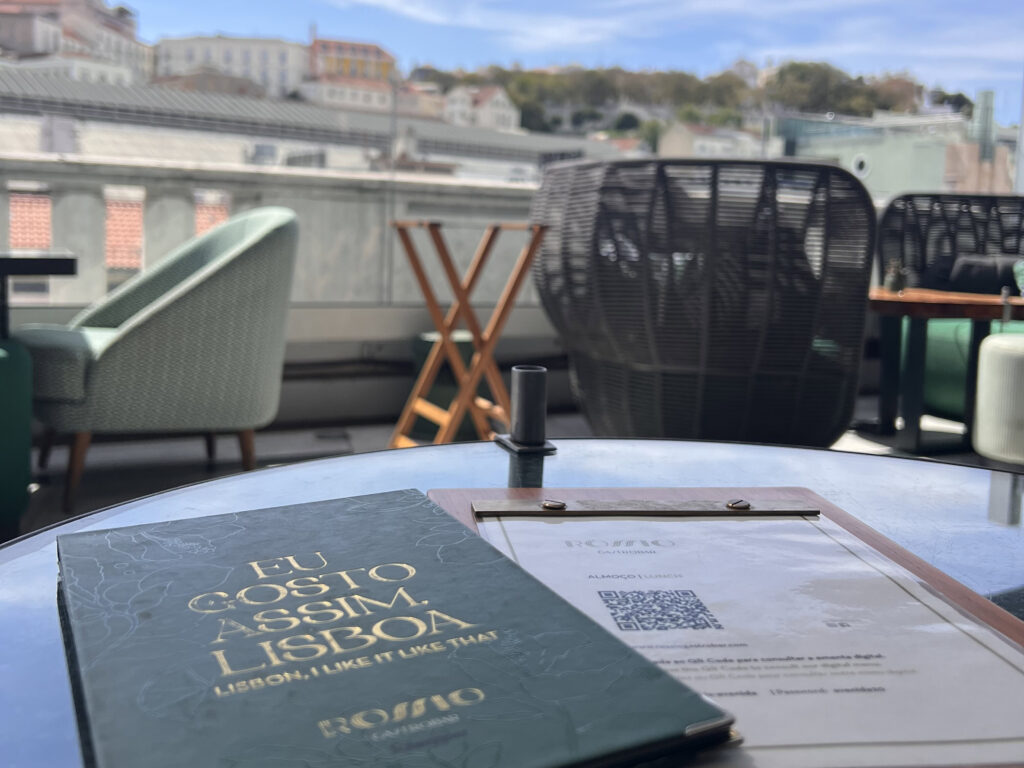
One of my favorite places to enjoy wine with a view is Rossio Gastro Bar. It’s a rooftop restaurant just near Rossio Square, super central.
My favorite rooftop restaurants and bars in Lisbon are:
- Rossio Gastrobar
- The V Rooftop Bar
- Park Lisboa (On top of a parking house, quite a unique experience)
Lastly, if you want to try Ginjinha(Cherry liquor), which Portugal is famous for, I recommend two places. Either at the corner of Praça do Comércio (Terreiro do Paço) in Lisbon, or Ginjinha Sem Rival. Both places are super small, but they taste amazing.
Here is a full guide about the amazing Portuguese wines you can get in Lisbon and around Portugal.
Practical stuff
One thing that is starting to happen in Lisbon is that they’re adding a service fee. This is still new and completely optional.
It’s up to you whether you want to pay it. I prefer not to pay it and tip instead if the service was amazing, but it always depends.
I’ve made a guide on tipping in Portugal so you’re fully covered.
Supermarkets + cheap eats
The supermarkets in Lisbon and around Portugal are amazing. Especially Pingo Doce and Continente. You can get amazing food at the deli in these places, and many locals eat lunch or have a snack here.
Beyond supermarkets, Lisbon also has incredible local markets. Here’s my list of the best markets in Lisbon for fresh produce, street food, and artisan goods.
It’s quite cheap compared to other places around Europe, and it tastes incredible. I recommend trying their tosta mista and pao com chorizo. But take a look at the counter and see what you feel for.
I personally always find it funny to go through grocery stores in other countries and explore.
Mini food itineraries in Lisbon
Here are simple “food day plans” that combine Lisbon classics with the best neighborhoods to enjoy them. You can follow them exactly, or mix and match depending on where you’re staying.
Lisbon Food Planning Rules
- Do “classic” food at lunch (great value and less crowded)
- Do “wow dinner” at night (seafood, modern Portuguese)
- Don’t try to eat across the whole city in one day — plan by neighborhood
- Save Belém for the morning
- Book popular restaurants for dinner, especially Thu–Sat
- Eat the pastel de nata fresh (and always add cinnamon)
Lisbon Food Itinerary: 1 Day (Classic Lisbon)
Best for: first-timers • only one day in the city • you want the essentials
Goal: Portuguese classics + pastry + a great dinner, without zig-zagging
Morning: Light Portuguese breakfast (Pastelaria style)
Start in a neighborhood like Baixa / Chiado / Príncipe Real and go to A Padaria Portuguesa.
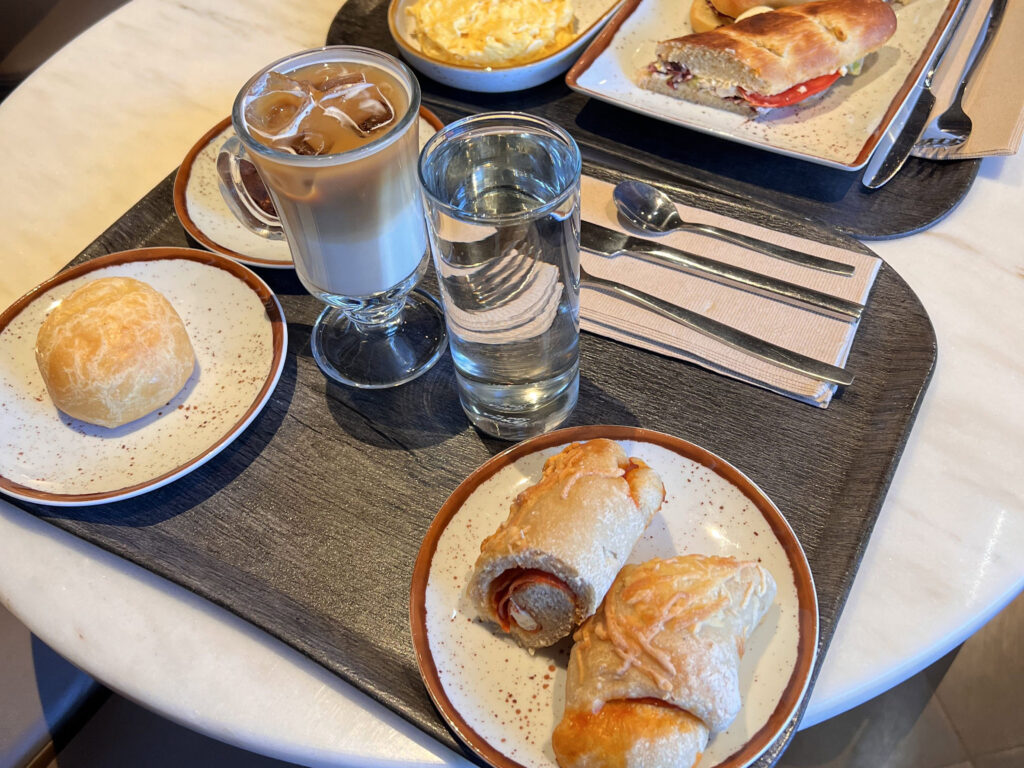
- Order: café + pão de Deus / torrada / croissant
- Why: this is the “normal Lisbon morning”, quick, simple, not heavy.
Local tip: Portuguese breakfast is usually smaller than what you might expect. Brunch comes later.
Late morning: Coffee stop (specialty + people-watching)
Walk to a café with seating, it could be Comoba or one of the Fabrica Coffee Roaster cafés.
- Order: espresso (bica) or galão if you want milk
- Optional: one pastry to share
What makes it great: This turns your morning into a slow Lisbon experience, rather than rushing to attractions.
Lunch: A proper Portuguese meal
Keep it traditional and do lunch Portuguese-style:
- Order idea: prato do dia (daily plate)
- Or a classic: bacalhau / bitoque / bifana
Local tip: Lunch menus often have the best value.
Mid-afternoon: Pastel de nata break
This is your “Lisbon ritual moment.”
- Get a fresh pastel de nata + sprinkle cinnamon from Manteigaria
- Walk it off with a scenic viewpoint or a river stroll
Dinner: Seafood or Portuguese “tascas”
Pick based on mood:
- Seafood dinner if you want the full Lisbon “coastal food” moment
- Tasquinha dinner if you want comfort Portuguese food
Nightcap: Ginjinha or wine
End with:
- ginjinha for the classic Lisbon shot
- Or Portuguese wine if you want something slow and cozy
Optional add-on: If you like nightlife, this is the perfect time for Bairro Alto.
Lisbon Food Itinerary: 2 Days
Day 1: Classic Lisbon (Old-school & traditional)
Use the 1-day plan above.
But make sure you include:
- One “tasca-style” lunch
- Dinner at Tapisco or Pica-Pau
- Pastel de nata at Manteigaria
Day 2: Modern Lisbon (Specialty coffee + modern Portuguese)
Best for: foodies • couples • people who want “cool spots” too
Morning: Brunch (do it properly)
Start with brunch on Day 2 (instead of a small breakfast).
- Brunch = when Lisbon feels like a modern European capital
- Choose a brunch spot in Príncipe Real / Santos / Cais / Marvila (It could be Seagull Method)
Late morning: Specialty coffee (another neighborhood)
Do a second coffee stop, but make it different:
- sit somewhere bright and modern, maybe in Comoba.
- Or go for old-school pastelaria vibes for contrast
Lunch: Food market
- Food market lunch at Timeout Market
Afternoon: Pastry crawl (optional mini-adventure)
This is fun and shareable:
- 1 bakery/pastry stop
- 1 pastel de nata stop (if you’re addicted, no shame, I know I am)
- 1 gelato or sweet treat at Arcadia Chiado
Dinner: Seafood night
Time to end the food day with an amazing seafood meal.
- I recommend you try Sea-me, a super simple, but amazing seafood restaurant.
- Order 2–3 dishes to share
- Get a Douro white or Vinho Verde
Night: Wine bar
Perfect “slow Lisbon” ending:
- wine + small plates
- cozy atmosphere
- not rushed
- I recommend By the Wine
Lisbon Food Itinerary: 3 Days (The Full Lisbon Food Experience)
Day 1: Classic Lisbon (central neighborhoods)
Follow the 1-day plan.
Day 2: Modern Lisbon (brunch + modern spots)
Follow the 2-day “modern” day.
Day 3: Belém + River + Big Seafood Night
Best for: first-timers who want the iconic pastry + a “Lisbon day trip feel” without leaving the city.
Morning: Go to Belém early
Belém is best in the morning.
- Start with the iconic pastry stop at Pasteis de Belém
- Then walk to the waterfront
Local tip: Don’t go mid-afternoon, queues get worse, and the vibe is less calm.
Late morning: Coffee + riverside walk
Choose somewhere near the river. There are a lot of restaurants; just avoid the tourist traps.
Slow down and enjoy the view. This feels like a vacation
Lunch: Back to the city
Depending on your energy, you can stay and have lunch, but I recommend heading back and having lunch closer to your hotel. See the suggestions in the neighborhood section above, depending on where you’re staying.
Afternoon: One last pastry stop (bakery)
This is your “final sweet moment.”
Go to a local bakery or another pastel de nata shop, like Manteigaria, to compare it to Pasteis de Belém.
Dinner: Seafood or “final Portuguese feast.”
Make this your “closing dinner”:
- Portuguese food at Pica-Pau or any local tasca
- plus a bottle of Portuguese wine (I recommend the Douro area)
- and dessert (because Lisbon desserts are underrated)
After dinner: Ginjinha (or a final wine bar)
End with the classic Lisbon finish.
If you want more inspiration for your trip to Lisbon, I’ve covered all Lisbon itineraries here up to 7 days.