When it comes to Portuguese Wine, you probably think about Port wine, but that’s only a fraction of what Portugal has to offer in terms of wine.
I’ve tried over 100 different Portuguese wines, from red wine to white and rosé, and let me just tell you, you get so much value for a buck with Portuguese wine because it’s not as popular as French or Italian wine.
My favorite grape is Touriga Nacional, which I’ll talk more about later. My favorite region is Douro, which is up north; they make some fantastic, well-rounded wine that goes well both with food and without. Speaking of food pairings, Portuguese wines complement the local cuisine beautifully.
This is a topic I’m super excited about sharing my knowledge with you, and I’m far from an expert on the subject, but I’ve gathered a lot of experience over the years.
Wine Regions in Portugal
There are a bunch of wine regions in Portugal, and I’ve listed some of the more popular ones down here.
My favorite is by far the Douro Valley, which is behind some of my favorite Portuguese wines. They use Touriga Nacional a lot, which is also my favorite grape, so it goes hand in hand.
The grape varieties are spread all over, but some are distinct for specific regions.
Setibal uses the moscatel grape a lot, for example. Däo also uses Touriga Nacional and Tinta Roriz a lot, just like Douro.
- Douro Valley: This is Portugal’s wine superstar. It’s where Port wine comes from, but you’ll also find excellent reds that are bold, rich, and perfect for a cozy dinner.
- Bairrada: Known for big, hearty red wines made mainly from the Baga grape. If you like wine with a bit of grip and character, this is your spot.
- Alentejo: Think wide-open landscapes and easy-drinking wines. The reds here are smooth and fruity, and the whites are fresh; basically crowd-pleasers.
- Däo: A little more refined and elegant, with reds that balance fruit and freshness. It’s kind of the “hidden gem” region that wine lovers rave about.
- Lisboa: Super versatile; you’ll find everything from crisp whites to bold reds, and it’s often outstanding value for the money.
- Setubal: Sweet wine heaven. The Moscatel from here is deliciously aromatic and perfect if you’re in the mood for something rich and dessert-like.
- Vinho Verde: Fresh, light, and sometimes a little fizzy. This is the wine you want on a hot day, especially with seafood.
- Madeira: Famous for its fortified wines that last forever. They range from dry and nutty to sweet and rich, and they’re unlike anything else.
- Azores: Wines grown almost on the edge of the ocean. They’re salty, fresh, and totally unique; it’s like tasting the sea in a glass.
Wine Grape Varieties in Portugal
I’ve already touched a bit on the grape varieties in Portugal, so you should’ve heard of some of the grapes by now, but I’ve tried to list the most popular grapes you’ll meet.
I’ll almost go as far as to say you can’t leave Portugal without at least trying Touriga Nacional; it’s almost like Portugal’s national grape.
You can get Touriga Nacional at most Portuguese restaurants, and if you want to buy bottles of it, head over to Garrafeira Nacional or any supermarket.
Portuguese Red Wine Grapes
- Touriga Nacional: This is Portugal’s most popular grape. Big, bold, and full of dark fruit and floral notes, it’s the backbone of many great reds and Ports.
- Touriga Franca: Think of it as Touriga Nacional’s chill sibling. Softer, more elegant, with lots of berry fruit and smoothness that makes blends shine.
- Tinta Roriz: You might know this one by its Spanish name, Tempranillo. It’s versatile, giving wines that are structured, fruity, and perfect for aging.
- Baga: A grape with attitude. It makes wines that are firm and tannic when young, but if you give them time, they become beautifully complex and refined.
- Tinto Cão: A bit of an underdog, but beloved by winemakers. It adds freshness and spice to blends, helping wines age gracefully.
- Bastardo: Light, delicate, and often used in Port. It ripens early and brings softer fruit flavors to the mix.
- Tinta Barroca: Reliable and easy-going. It gives smooth, round wines with lots of fruit, and it’s often used to balance out stronger grapes in blends.
Portuguese White Wine Grapes
- Alvarinho: Fresh, zesty, and a little tropical; like lime and peach in a glass. It’s the star of Vinho Verde and perfect with seafood.
- Arinto: Crisp and citrusy with a lively acidity that makes wines super refreshing. It’s like a squeeze of lemon over your meal.
- Encruzado: Kind of a hidden treasure. It makes elegant, balanced wines that can be fresh and floral or richer if aged in oak, and very versatile.
- Sercial: One of the classic Madeira grapes. It’s usually made into the driest style of Madeira, with nutty, citrusy flavors that wake up your palate.
- Malvasia: Often rich, aromatic, and full of ripe fruit flavors. In Madeira, it’s used for some of the sweetest, most luscious wines.
Top 6 Red Wines in Portugal
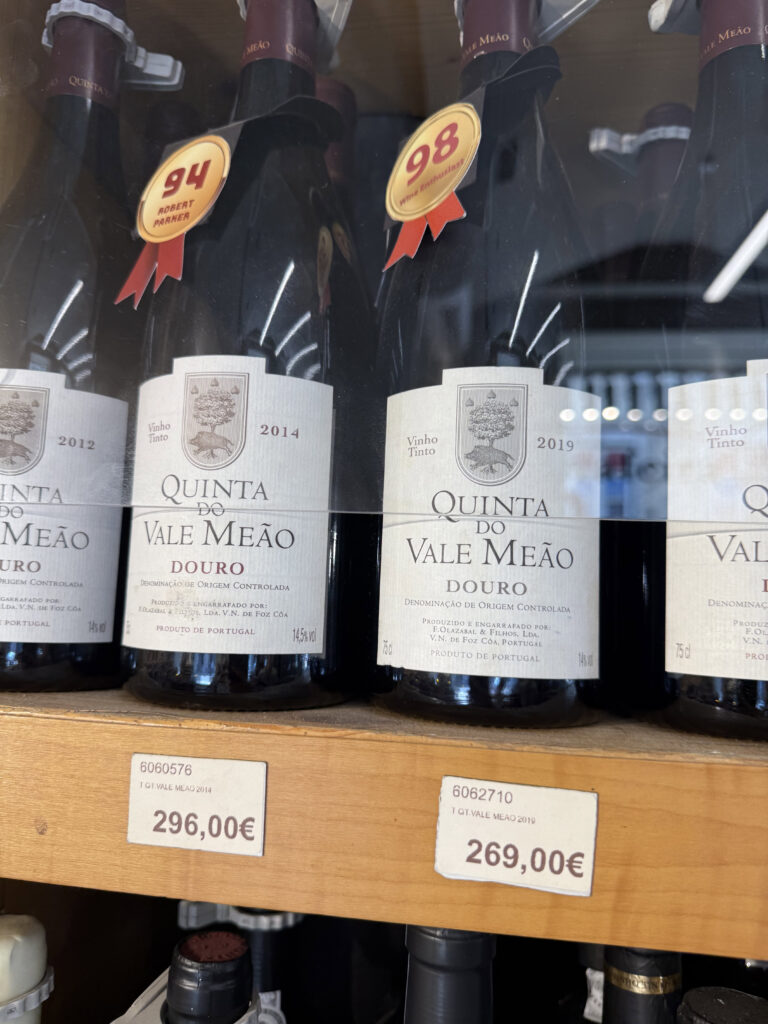
I wanted to have some fun and list the top 6 red wines from Portugal. Barca Velha is by far the number 1 and the absolute flagship of red wine for Portugal.
I have not tried a Barca Velha yet, but I have a 2011 waiting for me, which I’ll hopefully try in the coming years. Let’s see how far I can wait.
Chryseia has been my favorite of these so far, but I still have to try some of them; that’s some exciting years ahead.
- Barca Velha
- Quinta do Vale Meao
- Pêra-Manca Tinto
- Quinta do Crasto “Vinha Maria Teresa”
- Quinta da Leda
- Chryseia
Wine Types in Portugal
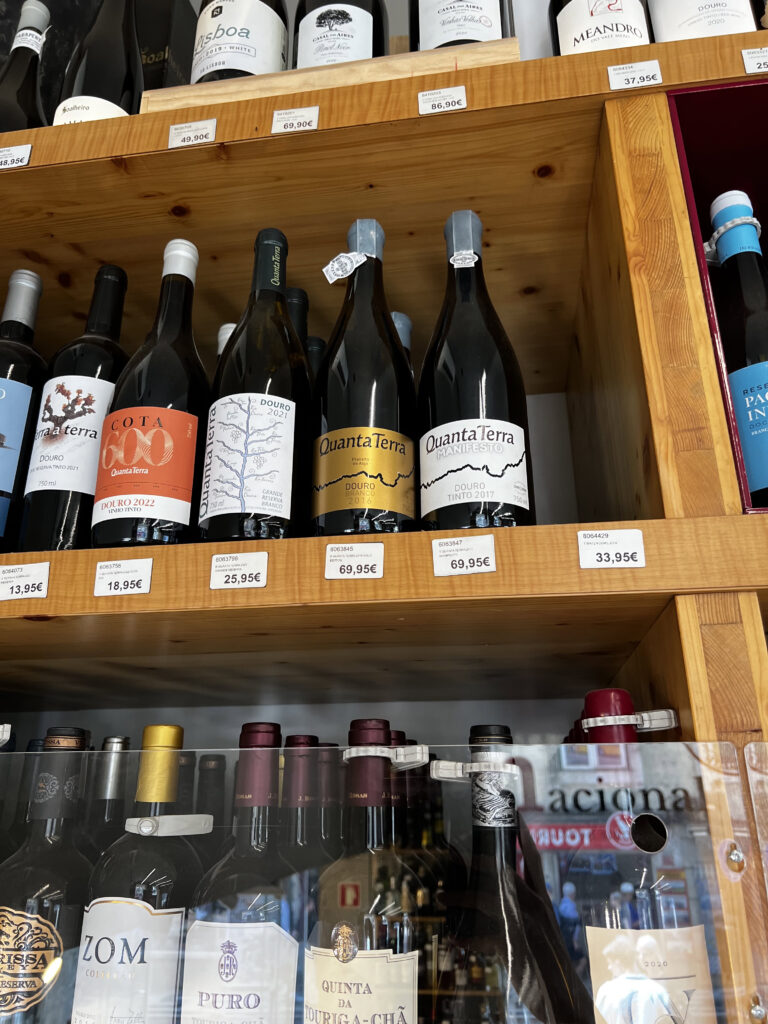
Just as a quick overview to help you understand where Portugal excels within wine types.
They make both excellent red and white wine, and of course, port wine, but so much more than that.
If you want to try something unique, try a Moscadel de Setubal, but ensure it’s ice cold when you try it.
- Red wine
- White wine
- Rosé wine
- Port wine
- Madeira wine
- Moscatel de Setúbal
- Espumante (Sparkling wine)
- Vinho Verde
My 4 Favorite Portuguese Wines
Chryseia 2011: This one surprised me, because it took almost 2 hours decanting before it really opened up, and then I was blown away.
Anything Quinta do Crasto, both the Touriga Nacional and Tinta Roriz. This is a great Christmas wine as well.
Casal das Aires Chardonnay: A white wine that’s buttery smooth and goes super well with Salmon.
Pintas 2021: This was a relatively young Pintas I tried in 2025, and while it was still amazing, it had potential to age more.
Portuguese Wine Reviews
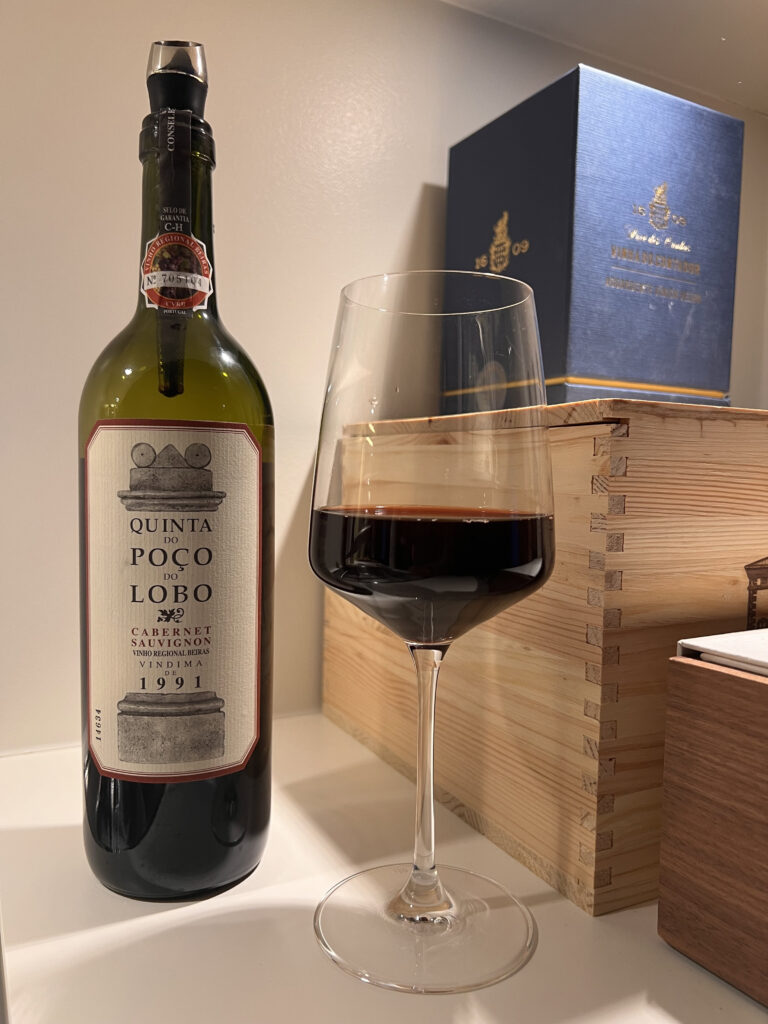
I thought it would be fun to list the Portuguese wines I’ve tried that I can remember, and with some short notes.
So you can get inspired for your next Portuguese wine, whether you’re in Lisbon or want to order some Portuguese wine to enjoy at home.
I’ll keep this list updated as I try more and more Portuguese wines. I can’t remember all I’ve tried, but here is what I do remember.
- Pombal do Vesuvio Red 2019: This was one of the first Portuguese wines I tried in Cascais, and it will always hold a special place in my heart. It was very bold and complex in a good way.
- Pintas 2021: Super smooth, with some tannins still. Goes well with red meat. It will taste even better in a couple of years.
- Quinta do Crasto Tinta Roriz 2016: It was a perfect Christmas wine, it was heavy, a full-bodied wine, and went very well with duck.
- Pintas Character 2016: The little bother to Pintas and a medium-body wine. Goes well with tapas and small dishes.
- Casal das Aires Chardonnay 2022: Buttery smooth white wine with an incredible taste, and goes well with salmon and other fatty fish.
- Real Vinícola Síbio Vintage Port 1938: One of the best port wines I’ve tasted. Super nutty and a lot of blackberries.
- Quinta da Pellada Jaen 2015: A subtle white wine that goes well with fish or a meat dish that’s not too heavy.
- Entre Pedras Arinto 2023: A super powerful white wine with a lot of flavor up front. Aftertaste stays long. Perfect with a seafood pasta dish.
- Quinta do Monte Xisto 2019/2020: I’ve tried a couple of this one now, and it’s such a solid wine, you get a powerful wine that goes well with heavy dishes, but medium-heavy dishes as well. Super fruity.
- Quinta do Poço do Lobo Cabernet Sauvignon 1991: I had no expectations for this one, but it turned out to be absolutely amazing. Super fruity and a lot of wine for the money.
- 1898 Madeira CVL Boal Solera: A super-mature Madeira wine I got to try in Garrafeira Nacional. It is not very sweet and has a lot of caramel flavor.
- 1890 Burmester Novidade Porto: The oldest port wine I’ve ever tried, and the best as well. This one was so surprising and delicate with notes of raisins and nuts. A super complex, long-lasting flavor.
- Quinta do Vallado Touriga Nacional 2019: A wine we planned on using for cooking, but when we tasted it, we ended up drinking two bottles. Oak, vanilla, and cacao. A very elegant wine with some sharpness.
- Quinta de Cabriz Reserva 2010: A cheap wine that really surprised me. Super fruity and goes well with pork and other light meat dishes.
- Caves Velhas Catedral Reserva 2021: I was not blown away by this wine; it was good, but nothing extraordinary. It was missing balance.
- Quinta do Crasto Vinho do Ponte 2012: This was a super intense wine with lots of fruit on the palate. Incredible for heavier dishes.
- Quinta do Crasto Tinta Roriz 2009: I tried this one in 2025, and it had aged beautifully with lots of fruit on the palate.
Wine reviews: Last updated: 05 Jan 2026.
Where To Buy Portuguese Wine In Lisbon
There are two places in Lisbon where I buy my Portuguese wine:
If you go to Garrafeira Nacional, ask for either Rita or Daniela; they’re super competent and always help me find some new and interesting wines.
If you go to El Corte Inglés, you can buy wines at the top, where all the restaurants are. They have some excellent wines up here.
Lastly, you can go into any supermarket and buy decent everyday wine that still blows your mind with how good it tastes.
The wine industry really just shows in Portugal that you can create wine within many wine styles on a low budget.
Here are the best things to do in Lisbon in April 2026
I’ll send you a list of the best things to do in April and every month thereafter.
It’s based on my personal experience of living and traveling around Lisbon for years. I’m sharing many hidden gems.
Looking for weekly Lisbon tips? Check out my Lisbon Newsletter.
Wrap-Up: Portuguese Wine Guide
I think you should give Portuguese wine a go, I’m sure you’re going to be absolutely amazed by how good it is.
I’ve always been drinking wine, but when I was younger, it was mainly French, Italian, and South American wine.
Today, I drink probably 80% Portuguese wine; I just can’t get enough of how complex and amazing it tastes.
I’m a big fan of full-body wine, and you really get that with Portuguese red wine.
The white wines can be very mineral and elegant, but also heavy and sharp. You have a large spectrum, and they also use grapes like Chardonnay and Sauvignon Blanc.
Planning On Going To Lisbon?
I’ve created a trip planner where you enter the number of days you’re going and what activities you want to do.
Based on your input, you then get an entire vacation planned with ideas.